Drainage problems often start out of sight and by the time signs appear above ground, the issue may already be serious. Recurring blockages, bad smells, slow-draining sinks, or unexplained damp can all indicate hidden problems in your pipes.
A CCTV drain survey is one of the most effective ways to inspect your drainage system without digging anything up. Using specialised camera equipment, engineers can see inside pipes, diagnose problems, and recommend targeted solutions. Whether you’re buying a home, dealing with recurring blockages, or planning an extension, understanding how CCTV drain surveys work can save time, money, and unnecessary disruption.
What is a CCTV drain survey?
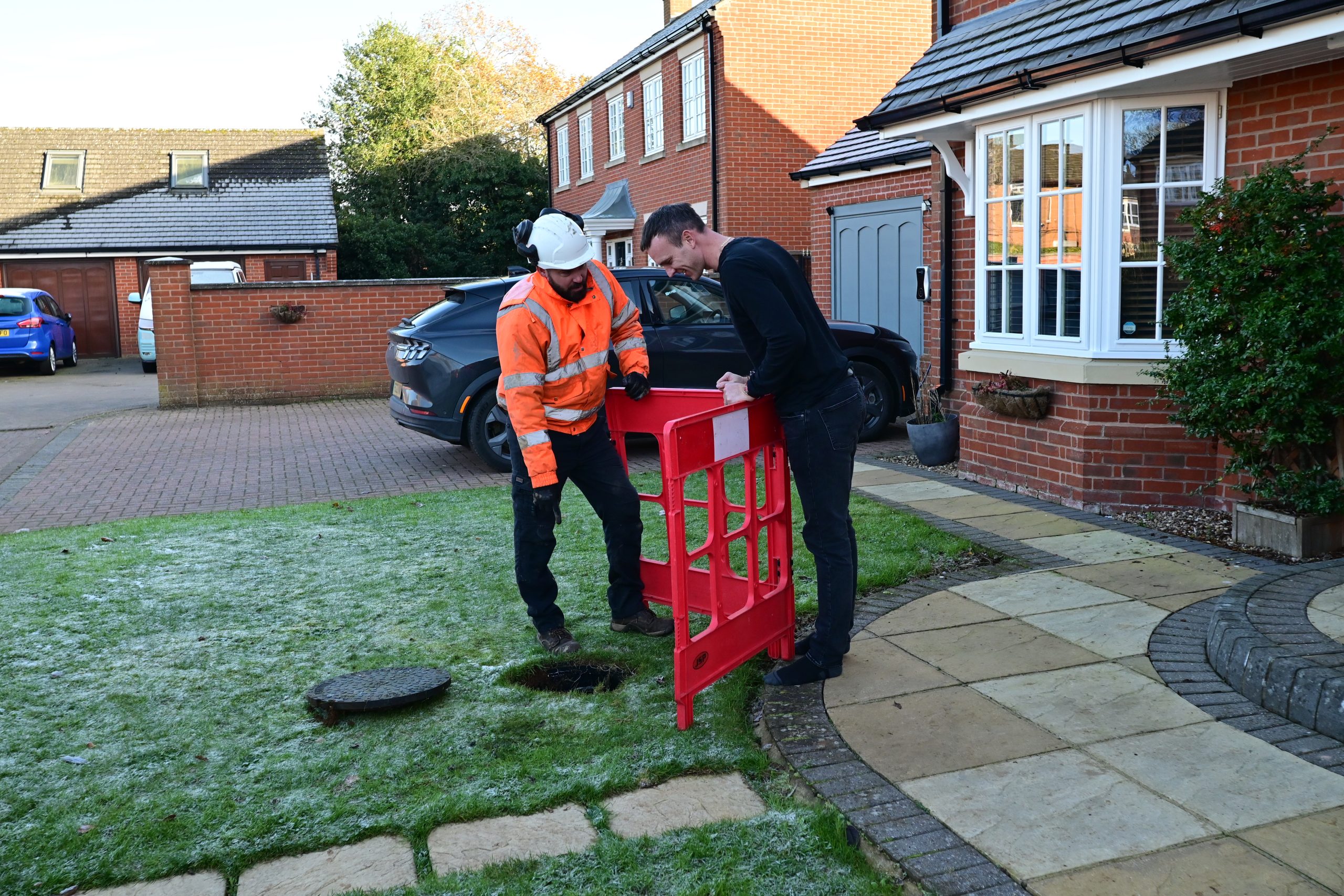
A CCTV drain survey is an inspection of your drains using a closed-circuit camera system. The camera is fed into your pipes and captures live video of the internal condition.
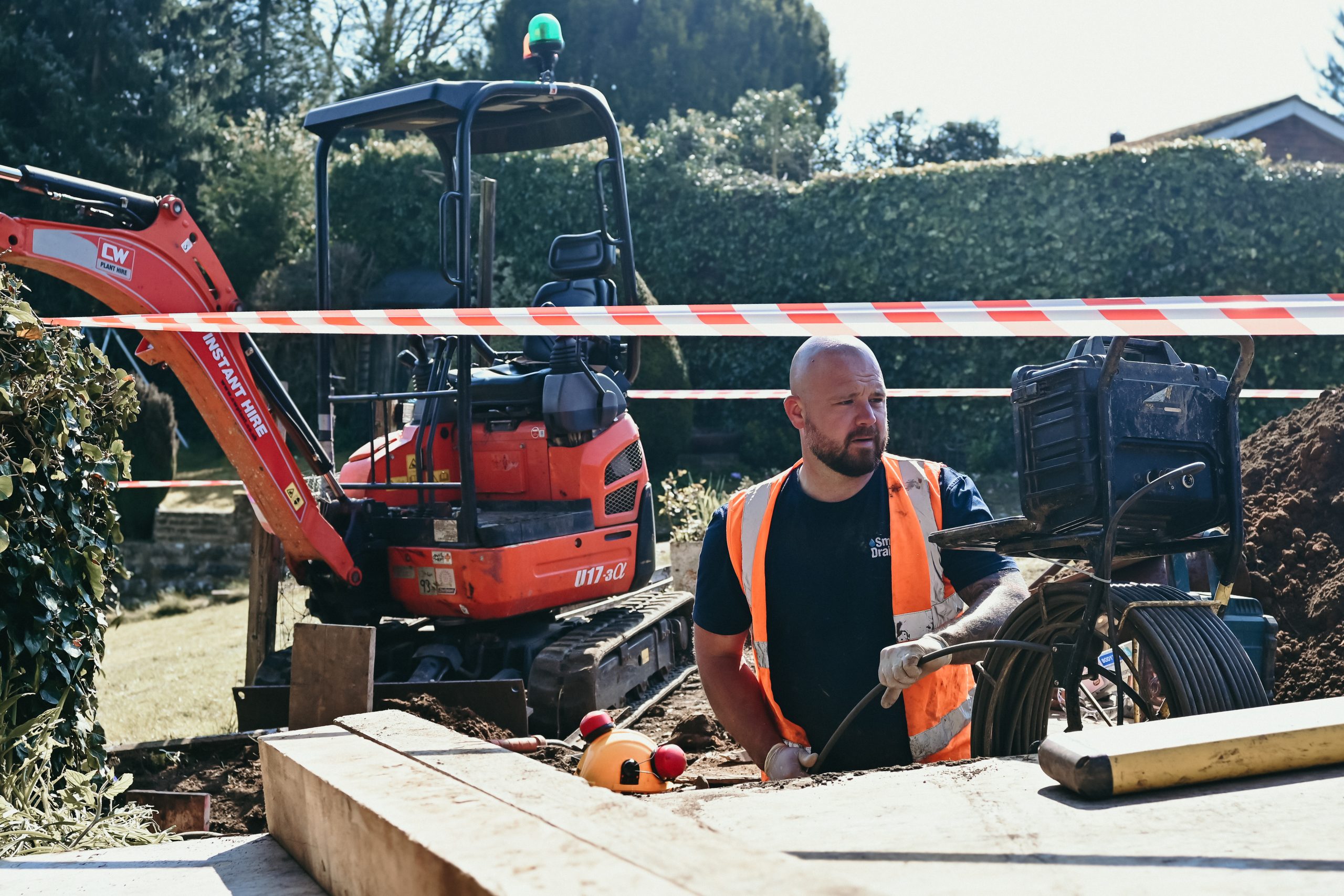
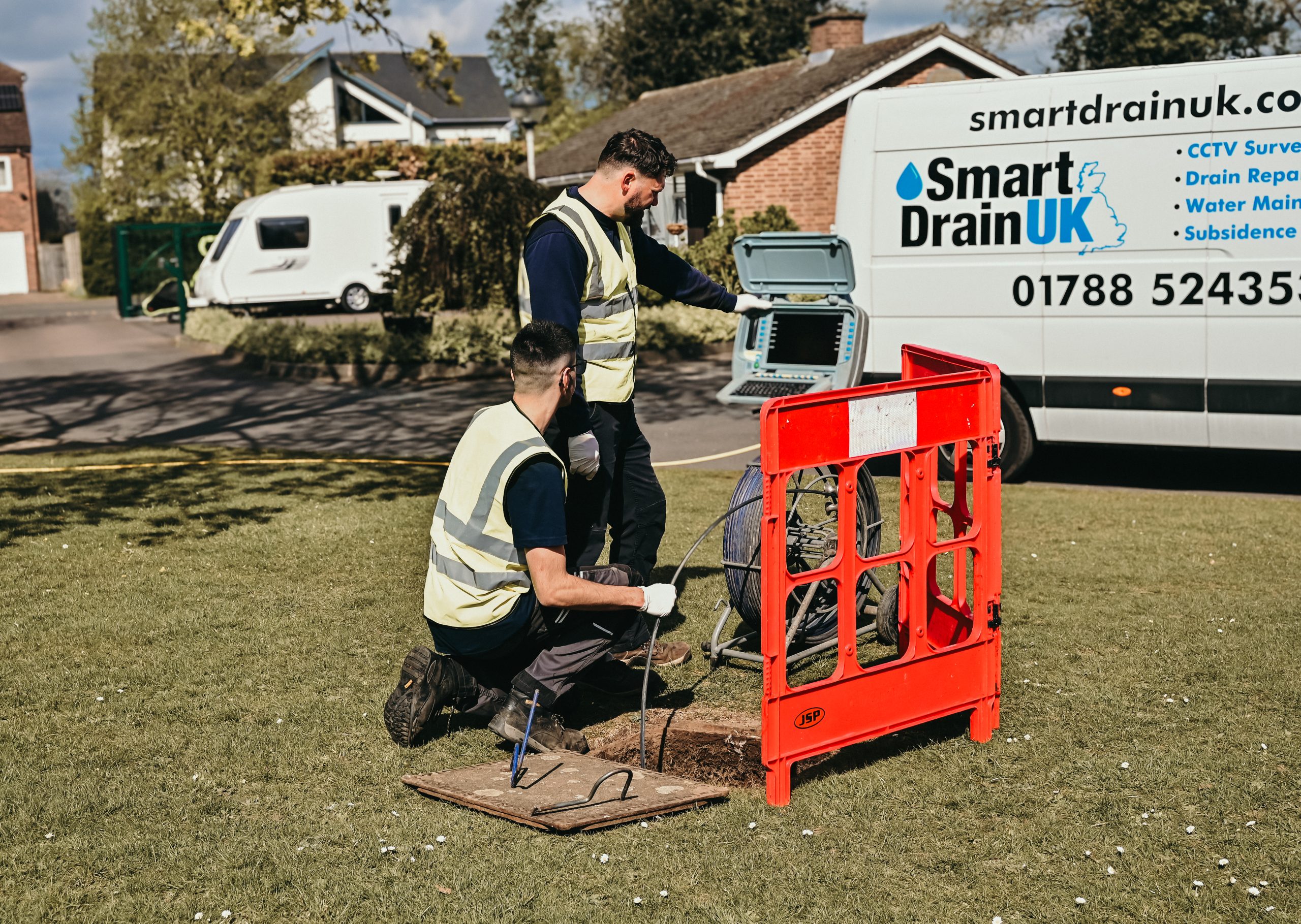
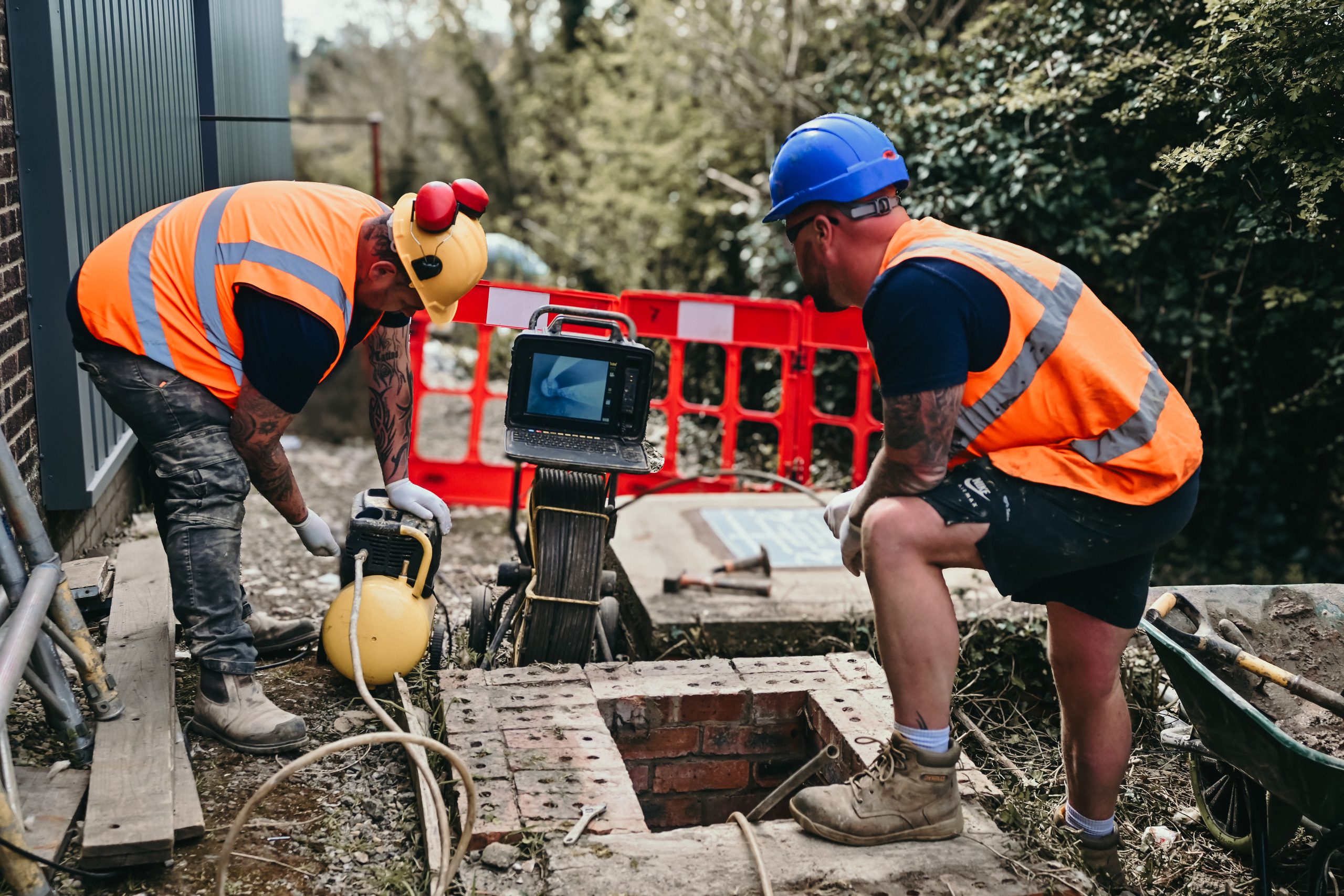
The camera is mounted on a long flexible cable reel, often able to reach up to 60 metres. As it moves through the pipe, it transmits a live feed to a monitor above ground, allowing the engineer to identify issues such as:
- Tree root intrusion
- Blockages or debris buildup
- Cracked or fractured pipes
- Misaligned joints
- Collapsed sections
Modern systems are compact, highly detailed, and capable of recording footage for later review, making inspections efficient and accurate.
How does the CCTV survey equipment work?
The camera head is waterproof and designed to move through underground pipes while transmitting a live video feed. Engineers either push the camera manually or use motorised crawlers for larger drains.
Many systems also include a sonde, a device that emits a pulse detectable from ground level. This allows engineers to trace the camera’s location underground, pinpointing defects like blockages or collapsed pipes with precision. If the camera cannot pass through a section due to an obstruction, the sonde signal helps locate the problem above ground, reducing unnecessary excavation.
When do you need a CCTV drain survey?
CCTV drain surveys are useful in many situations, including:
Persistent blockages or odours
If blockages keep returning despite repeated unblocking, the problem may lie deeper in the system. Root intrusion, collapsed pipes, or heavy scale buildup often require a detailed inspection.
Buying a property
Drainage systems are rarely included in standard property surveys. For older homes, a survey can identify potential repairs that could be costly, allowing buyers to make informed decisions or negotiate prices.
Planning construction or extensions
Building over shared drains often requires approval from water authorities. A CCTV survey confirms the drains are in good condition before work begins.
Suspected subsidence
Cracks in walls, uneven floors, or misaligned doors can sometimes be caused by leaking or damaged drains undermining the ground beneath a property. An inspection can reveal if drainage is a contributing factor.
Insurance or damage claims
If damage occurs, a CCTV survey provides documented evidence that insurers may require to process a claim.
What can CCTV drain surveys show?
A CCTV drain inspection provides a detailed view of the internal condition of the drainage system. Findings can include:
Pipe condition
Shows the age, wear, and structural integrity of the pipes, including cracks or fractures.
Obstructions
Identifies blockages caused by debris, grease, or invasive roots.
Structural defects
Things like displaced joints, misaligned sections, or collapsed areas.
Inflow and infiltration
Detects water entering pipes through cracks or faulty joints.
Vermin entry points
Exposed or damaged sections that allow rodents or other pests to enter.
The survey ultimately determines whether the drainage system is serviceable or requires repair.
What’s included in the CCTV survey report?
After inspection, findings are documented in a report. Reports are typically offered at two levels:
Basic Survey
- Summary of key findings
- Selected images from the footage
Full Survey Report
- Comprehensive written report
- Drainage layout map
- Defect identification
- Recommended repairs
Reports are formatted to WRC (Water Research Centre) standards using approved drainage software. These professional reports are often required for submission to water authorities or insurers.
How accurate are CCTV drain inspections?
Modern CCTV equipment is highly accurate, but the quality of the survey also depends on the engineer’s experience and how well the findings are communicated in the report.
A detailed inspection combined with professional reporting ensures reliable results. Properly conducted surveys allow for precise identification of blockages, defects, and structural issues within the drainage system.
You can find out more about CCTV drain survey accuracy and what to expect from your report here.
What happens after the survey?
After a CCTV inspection, the next steps depend on the findings:
No issues found
Provides reassurance for homeowners, landlords, or buyers.
Minor problems identified
May be resolved with targeted solutions such as drain jetting, localised relining, or root cutting.
Major damage detected
Requires more significant repairs, such as pipe replacement or excavation. Targeted inspections minimise unnecessary digging and ensure repairs are performed exactly where needed.
Reports can also be submitted to insurers, water authorities, or local councils, providing documented evidence of the drainage condition.
Final thoughts
Drainage systems are essential but often overlooked components of a property. CCTV drain surveys remove guesswork, providing clear evidence of what is happening underground.
If you are buying a property, planning construction, or facing recurring drainage issues, a CCTV inspection can uncover hidden problems early. Identifying issues early often reduces repair costs, avoids unnecessary excavation, and ensures your drainage system remains reliable for years to come.