CCTV drain surveys are now the go-to way of figuring out what’s going on underground when drains start playing up. They’re used to find blockages, cracks, root intrusion, and even collapsed pipes, all without digging up your garden or driveway.
But one question always comes up: how accurate are CCTV drain surveys really? And more importantly, can you trust the report you’re given to reflect what’s actually happening below ground? In short, whilst the technology is very accurate, the results are only as good as the people carrying out the survey. If you use experienced technicians, you’ll usually get a clear, reliable picture. If you don’t, there’s a real risk of things being missed or misreported.
What is a CCTV drain survey and what does it measure?
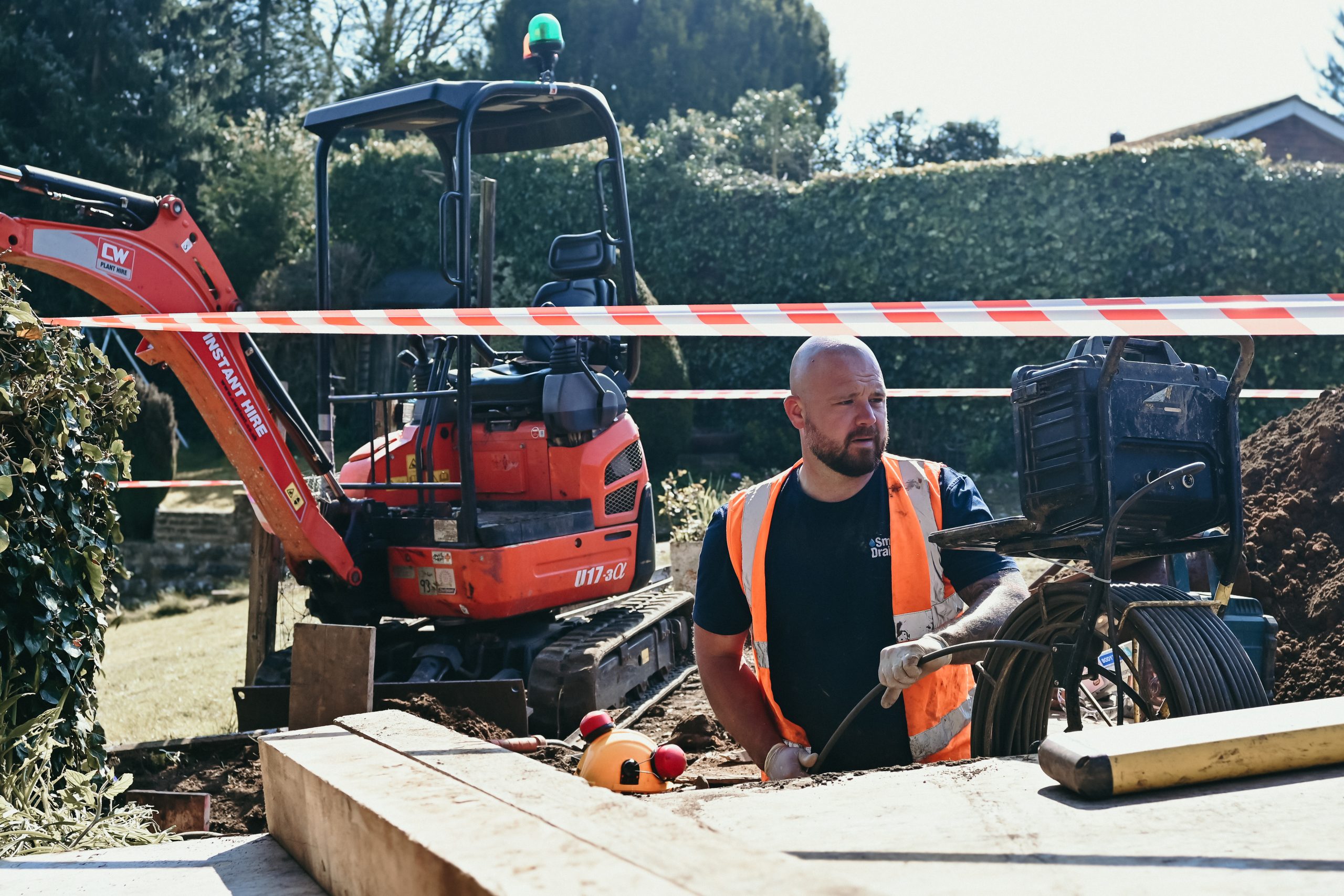
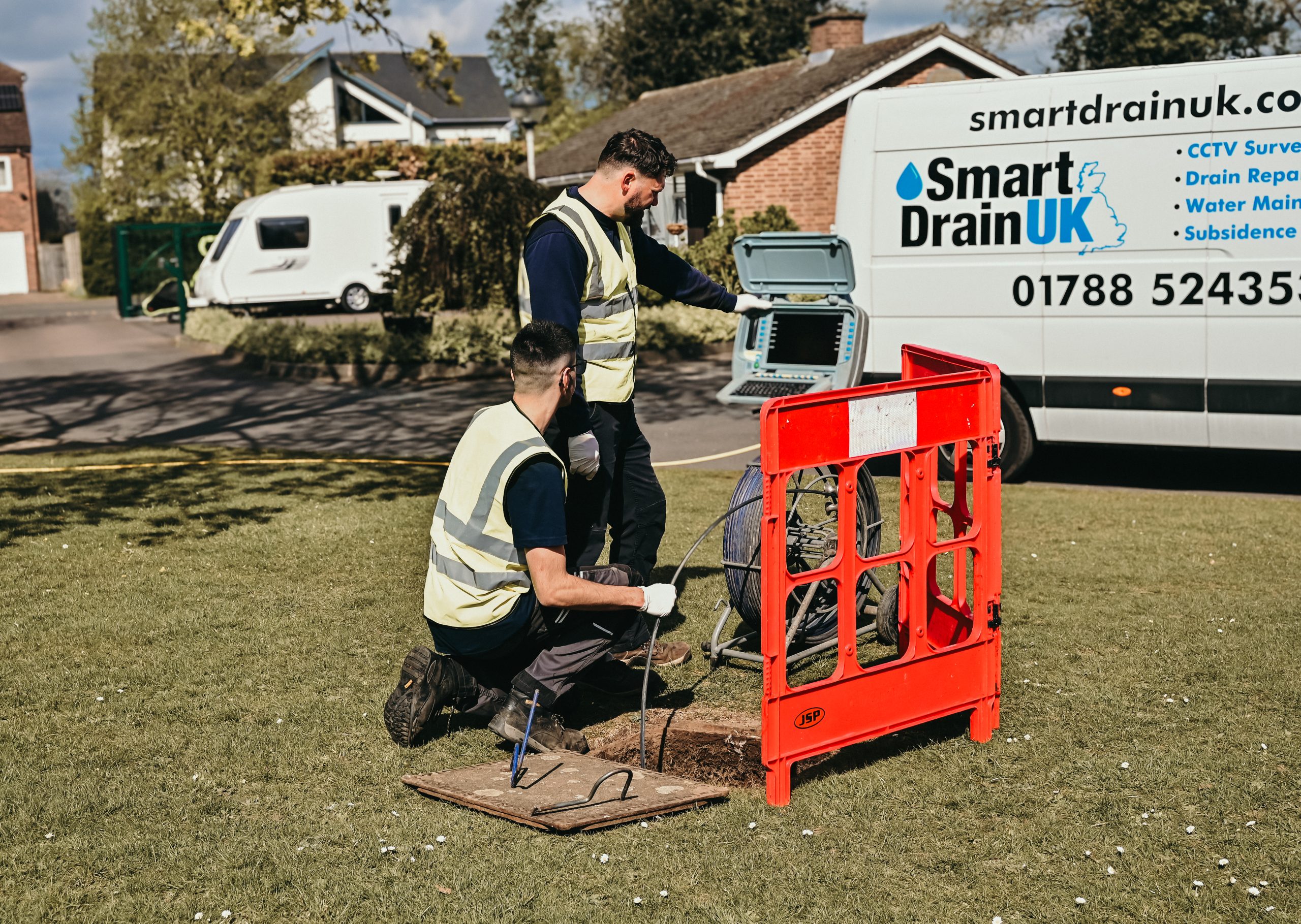
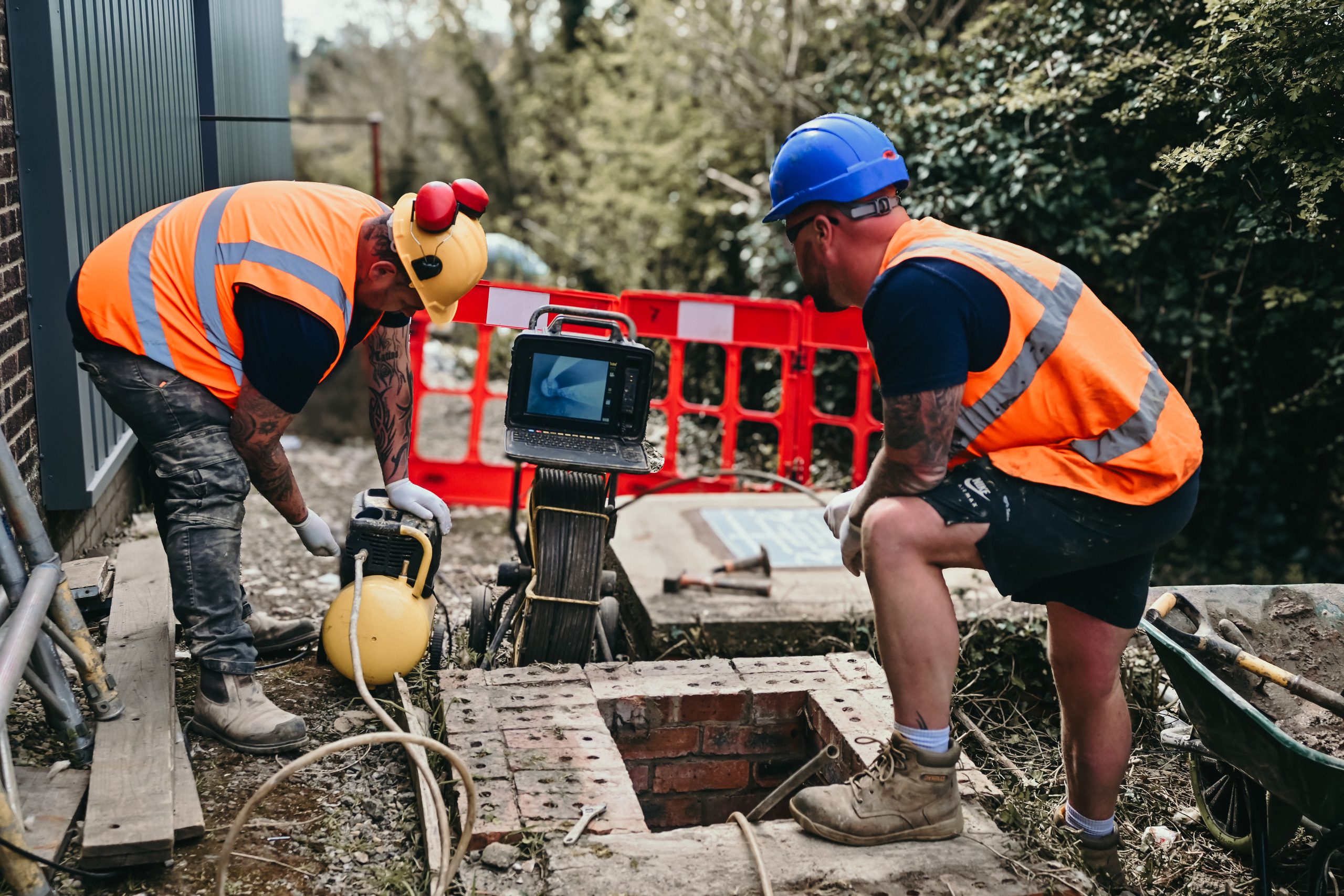
A CCTV drain survey involves feeding a small camera through your drainage pipes and watching the footage live on a screen above ground. The camera is attached to a long reel and moves through the system, showing the inside of the pipe as it goes.
The aim is to find out what condition the drains are in and spot anything that shouldn’t be there. That might include:
- Cracks or fractures in the pipe
- Collapsed or partially collapsed sections
- Roots growing into the pipe
- Joints that have moved or separated
- Poor water flow or standing water
It’s one of the easiest ways to see what’s going on underground without guessing or digging.
How accurate is the technology?
Modern drain cameras are very good at what they do. The footage is clear, the lighting is strong, and the operator can see defects in real time as the camera moves through the pipe.
Most systems show how far the camera has travelled, which makes it easier to work out where a problem is located. Many surveys also use a built-in transmitter so the drain can be traced from the surface using a scanner. That means if a repair is needed, you’re not digging blind. In short, the equipment itself is rarely the issue. If a defect is there and the camera reaches it, it will almost always be seen.
Why the engineer makes all the difference
This is where accuracy can really vary. A CCTV survey isn’t just about pushing a camera down a pipe; it’s about knowing what you’re looking at. An experienced drainage engineer will pick up on small but important details, like early cracking, slight joint movement, or fine root hairs that suggest a bigger problem is coming. Someone with less experience might miss those signs or underestimate how serious they are.
Accuracy also depends on how well the information is recorded. Clear notes, correct distances, and good communication between the person on site and the person writing the report are essential. If that link breaks down, the final report can end up being vague or misleading, even if the footage itself was fine.
What problems can a CCTV survey spot clearly?
When carried out properly, CCTV drain surveys are very good at identifying common drainage issues, including:
- Cracks and fractures in the pipe
- Collapsed or deformed sections
- Tree roots entering through joints
- Pipes that have shifted or pulled apart
- Water leaking into the drain or pooling where it shouldn’t
- Entry points for rats and other vermin
These issues are usually obvious on camera, especially when the survey is done by someone who knows what they’re looking for.
What can make a survey less accurate?
There are a few situations where accuracy can drop, even with decent equipment:
- Heavy blockages that stop the camera reaching the full system
- Poor access to manholes or inspection chambers
- No drain tracing to confirm where defects are underground
- Rushed surveys or poor notetaking
Sometimes the inspection itself is fine, but the information doesn’t make it into the report properly. That’s often where inaccurate or confusing reports come from.
How reliable is the drain condition report?
A drain condition report should match what was actually seen during the survey. When done properly, it gives a clear picture of the drain layout, the condition of the pipework, and what (if anything) needs fixing.
A good report will usually include:
- Still images taken from the CCTV footage
- Condition grading using recognised industry codes
- A simple drawing showing the pipe layout
- Clear explanations of any defects found
- Practical recommendations, not scare tactics
This is especially important for homebuyers, insurance claims, or planned repair work, where accuracy really matters.
How to make sure you get an accurate CCTV drain survey
If you want reliable results, a few simple checks make a big difference:
- Use a drainage company with proven experience, not just the cheapest option
- Ask if surveys and reports are handled by the same team
- Make sure drain tracing is included if repairs may be needed
- Check access points are clear before the survey starts
- Don’t be afraid to ask for the findings to be explained in plain English
Not all drain surveys are the same, and cutting corners often leads to inaccurate reports.
Final thoughts
CCTV drain surveys are extremely accurate when done properly. The technology is solid, but the real difference comes down to experience, attention to detail, and how the findings are reported.
Using skilled technicians reduces the risk of missed defects or confusing reports. Without that experience, even good equipment can produce unreliable results, and that’s when problems get overlooked or misunderstood.
If you need a CCTV drain survey you can trust, talk to our friendly team.