If you’ve ever had slow drains, repeated blockages, or foul smells coming from your drains, the culprit might not be what you expect. It’s often not grease, soap, or food scraps; it’s tree roots. They are surprisingly persistent and can cause serious damage before most people even notice.
Why do roots target drain pipes?
Trees and shrubs are always looking for water and nutrients. Even tiny cracks or gaps in joints are enough for roots to sneak in. Once inside, roots start thin, dangling strands that gradually thicken over time. These strands trap debris, slow down drainage, and eventually block pipes completely.
Roots can be relentless. Left unchecked, they don’t just stop at causing blockages, they can displace joints, collapse sections of pipe, and even contribute to soil subsidence as water escapes into the surrounding ground.
Which pipes are most at risk?
Whilst any pipe can be affected by tree roots, some pipes are much more likely to suffer from root intrusion:
Clay pipes
Common in homes built before 1990. They’re laid in short sections joined with concrete, which creates weak points for roots to exploit.
Pitch fibre pipes
Popular in the 1960s–70s, these pipes can degrade and collapse, leaving gaps that roots love to occupy.
Poorly laid plastic pipes
Even newer pipes can be vulnerable if they weren’t installed with the correct slope, as stagnant water attracts roots.
If your home has older drainage or pipes that weren’t laid perfectly, it’s worth keeping an eye out.
How does root intrusion cause damage?
Root growth is usually slow, but the damage builds over time. Early on, roots dangle inside the pipe, catching debris. Eventually, they thicken and can:
- Stop water flowing properly, causing slow drains and backups
- Displace pipe joints or even crack sections
- Cause full blockages that require major intervention
- Let water leak into soil, potentially leading to subsidence
Even small garden plants or shrubs can extend roots surprisingly deep, especially into shallow or old pipes.
Signs that roots might be the problem
There are a few clear warning signs that roots are in your drains:
- Slow drains or blockages that keep coming back
- Foul smells from drains or outdoor manholes
- Gurgling or unusual noises when flushing toilets or draining sinks
- Rats or other pests around drains
- Trees, hedges, or shrubs directly above drainage lines
Spotting these early can save you time, stress, and money.
What you can do about it
CCTV drain survey
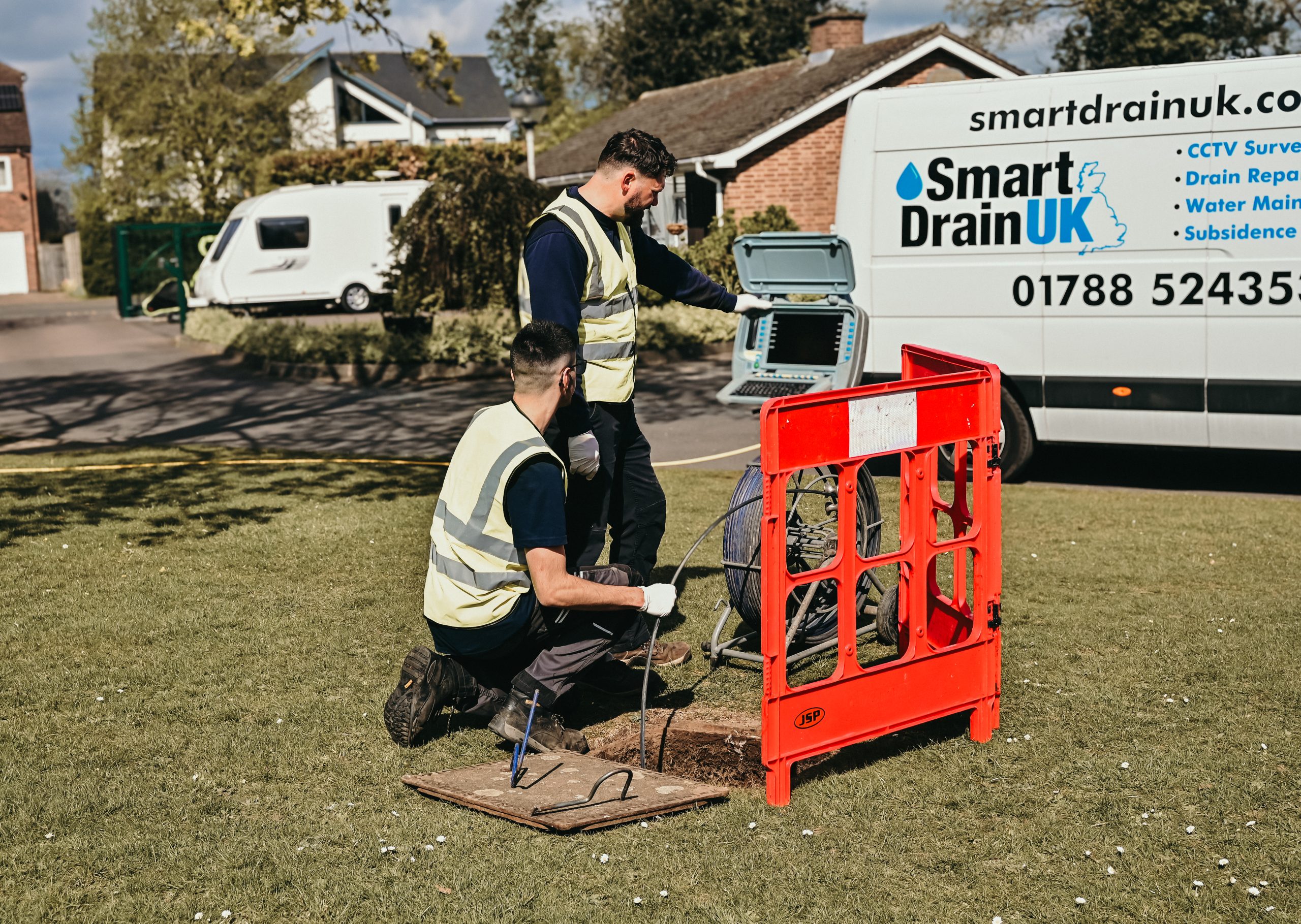
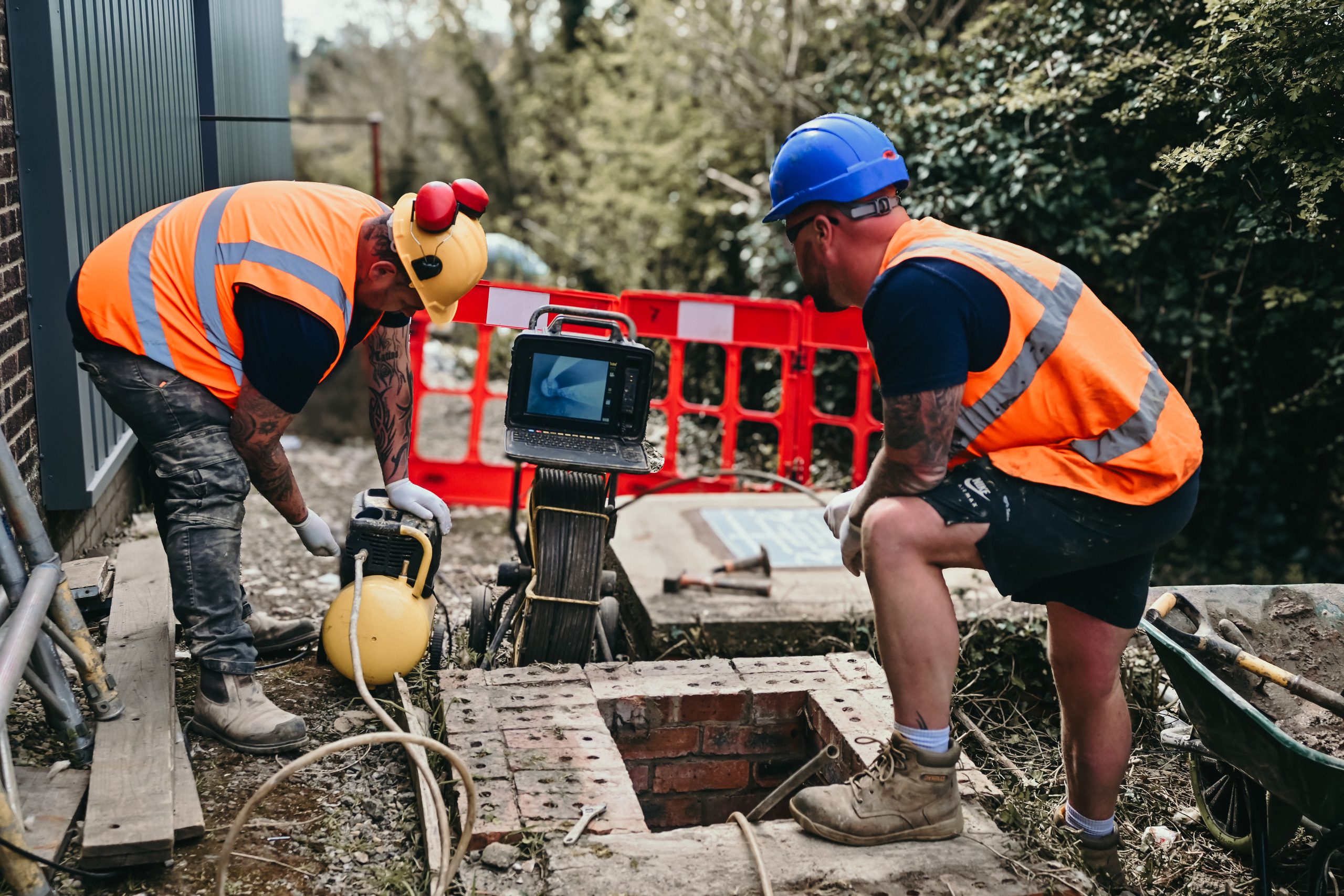
Before doing anything else, it’s worth getting a CCTV drain survey. This shows exactly where roots have entered the system and how bad the problem is. It makes planning repairs much easier and ensures you’re not guessing.
Root removal and cleaning
If roots are just starting to grow inside the pipe, high-pressure water jetting can cut and clear them. This fixes the immediate problem, but it doesn’t stop the roots from growing back.
Drain relining or replacement
Relining
An epoxy liner seals the pipe from the inside, removing joints and weak points that roots target. It’s ideal for clay systems. Relining drains is less invasive and cheaper than digging up the garden, and it usually stops roots for good.
Replacement
If pipes have collapsed or are severely damaged, digging up and replacing them with modern PVC or HDPE pipes is the only long-term solution.
Will the tree roots come back?
If you only cut the roots, they almost always grow back within months. Relining or full pipe replacement makes regrowth unlikely. Only in rare cases, like with large willow trees, can roots penetrate even modern liners. For most homes, proper relining or replacement solves the problem for the long term.
How to prevent tree root problems in drains
Regular checks and a little planning can prevent expensive repairs down the line. Here are a few things you can do to stop problems before they grow into big issues (pun intended!):
- Know where your drains run and avoid planting trees or large shrubs above them
- Avoid fast-growing species like willows, poplars, or conifers near drains
- Upgrade old or vulnerable pipes to modern, root-resistant materials
- Book a CCTV survey if you live in an older property with trees nearby or notice any recurring drain issues
Final thoughts
Tree roots may be quiet but they’re powerful. They can cause slow drains, repeated blockages, and even structural damage if ignored. The best approach is early detection, professional assessment with a CCTV survey, and the right solution, either cleaning, relining, or replacement. Preventative measures, including knowing your drain layout and choosing root-resistant pipes, can keep your system clear for years.
If you’ve got trees near your home and notice drainage issues, don’t wait for a full blockage, get the system checked before it turns into a costly repair. Talk to our friendly team today.