When a drainage problem appears, most people only see the inconvenience. This could be a blocked toilet, foul smells, slow-draining sinks, or even flooding. What’s less visible is the structured, professional process that reputable drainage companies follow to identify the real cause of the issue and fix it properly.
What many people don’t realise is that proper drainage work is rarely just a quick unblock. Behind the scenes, there’s a clear process that good drainage companies (like us!) follow to find the real problem and fix it properly, not just patch it up. Here’s what that process actually looks like, step by step.
What are the common drainage problems that lead to a call-out?
The most common reasons people contact professional drainage services include:
- Blocked toilets, sinks, or outside drains
- Persistent bad smells coming from drains
- Rats entering properties through broken pipework
- Damp patches, soft ground, or signs of subsidence
- Flooding or sewage backing up into the property
Some customers contact a drainage company directly, while others get in touch after speaking to their insurer. Either way, the first step is understanding the symptoms before doing anything else.
Initial drainage inspection and site visit
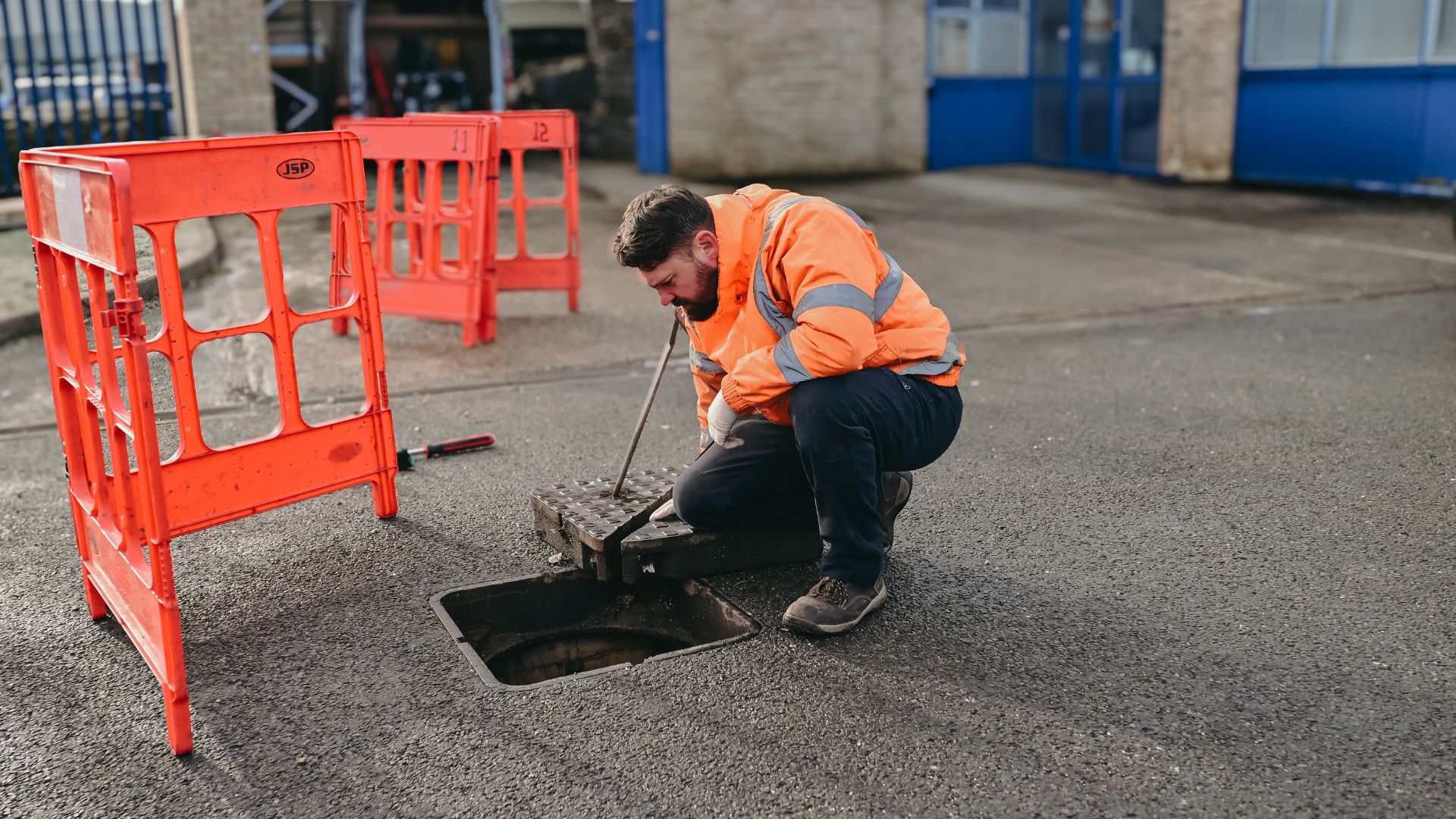
Once a job is booked in, an engineer will attend the property to carry out an initial drainage inspection.
This first visit usually falls into one of two categories:
- Emergency drain unblocking, using high-pressure water jetting or rods
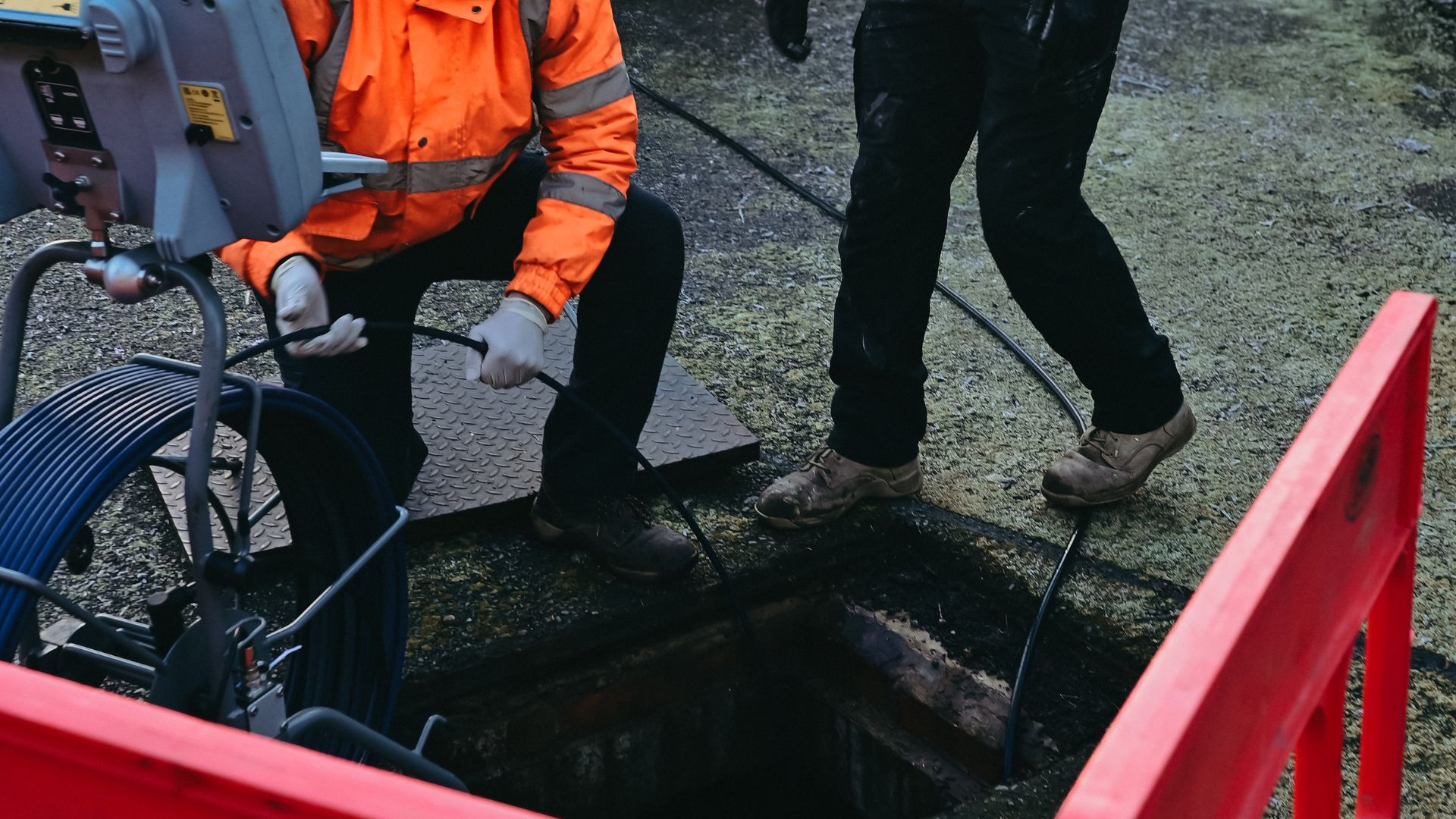
- CCTV drain survey, where a camera is used to inspect the drains internally
A quick unblock might solve the issue in some cases. But if the same problem keeps happening, or there are signs of something more serious, a proper drainage inspection is essential.
CCTV drain surveys and professional drain diagnostics
CCTV drain surveys are one of the most important tools in professional drainage services.
By sending a camera through the drainage system, engineers can see exactly what’s happening underground. This makes it possible to identify:
- Tree root ingress
- Cracked or collapsed drains
- Displaced joints
- Hidden leaks
- Poor installation or ageing pipework
Some drainage faults are obvious, whereas others are much more subtle. Small leaks at pipe joints, for example, can slowly wash away soil and eventually lead to subsidence or structural damage. This is where experience really matters, knowing how drains fail over time and spotting problems that aren’t immediately obvious.
Drainage reports, findings, and repair recommendations
Once the inspection is complete, the findings are explained to the customer in plain English.
Depending on the situation, customers are usually offered:
- A verbal explanation with basic written notes for minor issues
- A full CCTV drainage report with footage, diagrams, and repair recommendations
Professional drainage reports clearly outline what’s wrong, how serious it is, and what needs to be done to fix it. These reports are especially useful for insurance claims, legal disputes, or property sales.
Drainage repairs and insurance claims
Many major drainage repairs are covered by buildings insurance, especially when the damage is underground and outside the property footprint. We regularly help customers decide whether making an insurance claim is worthwhile. Reports can be submitted before work starts or, in some cases, even after repairs have been completed.
Some customers prefer to go through insurance, particularly for expensive repairs. Others choose to pay directly to get the problem resolved quickly. A professional drainage service should be comfortable working with both options.
Professional drain repairs and remedial works
Once the repair plan is agreed, the drainage repair work can begin. This may involve:
- Drain relining, repairing pipes internally without excavation
- Excavation and drain replacement for collapsed or severely damaged pipes
- New drainage installations where systems are beyond repair
- Septic tank replacement or upgrades to modern treatment plants
Drainage repair costs can vary widely. Some jobs are relatively small, while others involve extensive groundworks and major disruption. This is why accurate diagnosis at the inspection stage is so important.
Aftercare, drain maintenance, and preventing future problems
Good professional drainage services don’t stop once the repair is finished. Customers are usually given advice on:
- Keeping CCTV reports and documentation safe
- Monitoring high-risk areas such as tree-lined drains
- Avoiding common causes of blockages like grease and wipes
- Booking routine drain inspections for older properties
Ongoing drain maintenance and early inspections can prevent small issues from turning into expensive emergencies.
Why should you choose a professional drainage company?
Drainage is still a largely unregulated industry, which means standards can vary widely. Anyone can clear a blockage, but professional drainage services focus on proper diagnosis, long-term solutions, and clear reporting. Without the right tools and experience, serious problems can be missed, costing property owners far more in the long run.
Understanding how professional drainage services work helps you choose the right company and avoid short-term fixes that don’t last and could even cause ongoing damage to your property.
Whether it’s a recurring blockage or something you just want checked, speaking to a professional drainage company can help you understand what’s really going on underground. Talk to our friendly team today.