Buying a home is one of the biggest financial decisions you’ll ever make. You’ll likely arrange a building survey, check the roof, assess the structure, and maybe even renegotiate based on what’s uncovered. But there’s one area many buyers overlook entirely; the drainage system beneath the property.
A CCTV drain survey is becoming an increasingly important step in the homebuying process. Hidden underground, drains can quietly cause serious and expensive problems that aren’t visible during a standard survey. Understanding what’s going on below the surface can save you thousands or give you the leverage you need to negotiate a better deal.
Why a homebuyer drain survey matters
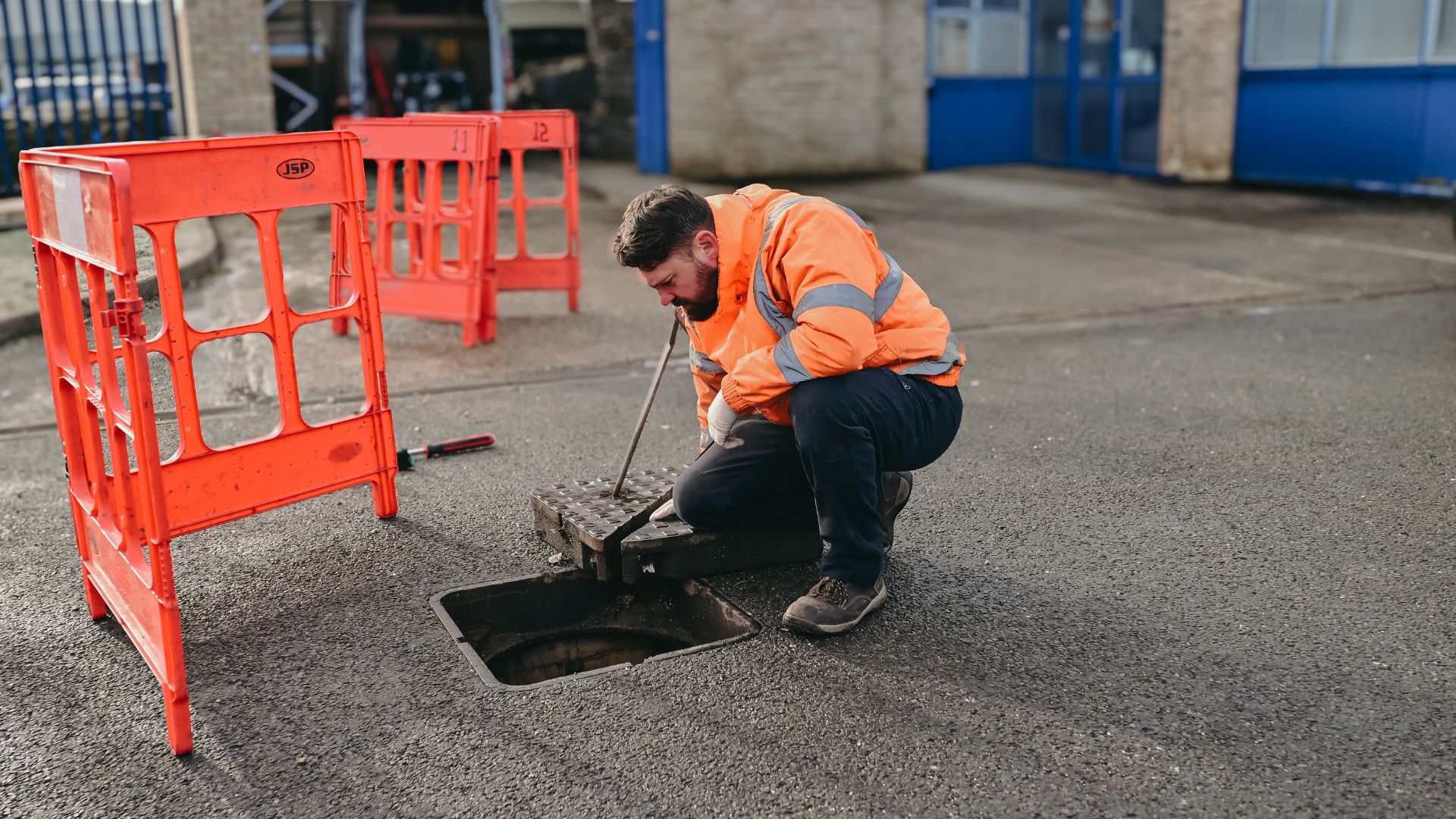
Most standard home surveys, including RICS Level 2 reports, only assess what’s visible. That means while a surveyor might lift a manhole cover, they won’t inspect the internal condition of the pipework. This leaves a major blind spot.
Drainage repairs can be costly, often running into the thousands if issues like collapses or severe blockages are discovered after you’ve completed the purchase. In some cases, problems can even affect your mortgage approval or result in exclusions on your home insurance.
In practice, many surveyors will flag drainage as a potential concern without investigating further. It’s then up to you to take the next step. Without doing so, you’re essentially buying a property without knowing the condition of a vital system that supports it.
What’s included in a pre-purchase drain inspection
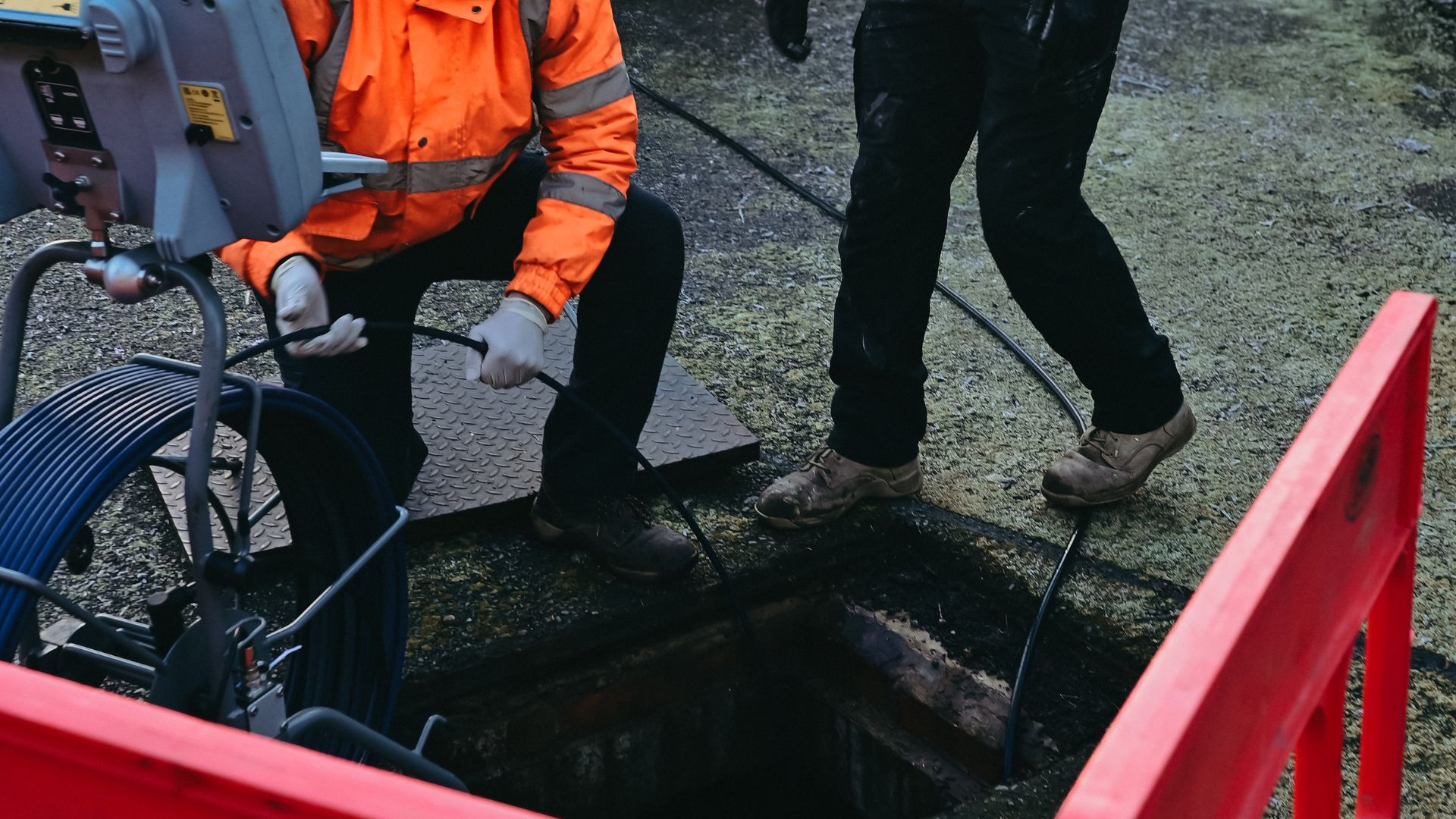
A pre-purchase drain inspection uses specialist CCTV equipment to travel through the pipework and capture real-time footage. This allows drainage engineers to assess the full condition of the system, not just what’s visible at surface level.
During the survey, a range of issues can be identified, including:
- Collapsed or partially collapsed pipes
- Tree root ingress
- Cracks, fractures, and displaced joints
- Vermin access points
- Deterioration of older materials such as pitch fibre
After the inspection, you typically receive either a verbal summary or a full written report.
A basic overview gives you a quick understanding of any major issues. However, a full report is far more detailed and includes condition grading, mapping, and clear recommendations. These reports are often compliant with Water Research Centre (WRC) standards, meaning they’re accepted by insurers and water authorities if needed.
What the survey can reveal that others don’t
One of the biggest advantages of a CCTV drain survey is its ability to uncover hidden issues that wouldn’t show up anywhere else. For example, root ingress is extremely common and it doesn’t just come from large trees. Even small shrubs can send roots into tiny cracks in pipework, eventually causing serious blockages or structural damage.
Older homes, particularly those built between the 1960s and 1980s, often have clay or pitch fibre pipes. These materials degrade over time. Pitch fibre, in particular, can deform and collapse, while reinforced clay can crack longitudinally, almost like shattered glass.
Drain surveys can also reveal early signs of subsidence. Leaking drains can wash away soil beneath the property’s foundations, leading to movement and structural instability.
Another overlooked issue is illegal or undocumented drainage connections. These can create complications with water authorities and may even require costly remedial work to bring the system up to standard.
Ultimately, a drain survey gives you visibility. You might fall in love with a property, but if it comes with hidden drainage problems, you need to know before committing, or at least factor the cost into your offer.
Drain surveys and the conveyancing process
A CCTV drain survey isn’t just about identifying problems, it can also play a valuable role in the conveyancing process. If issues are discovered, you can use the findings to renegotiate the purchase price or request that the seller resolves the problems before exchange. In some cases, having a professional report can make these discussions much smoother and more objective.
Drain surveys are also often required for specific legal or regulatory processes. For example, if there’s a build-over agreement involved, water authorities may request a WRC-compliant survey to confirm the condition of the drainage system.
Additionally, insurers may require evidence of drainage condition, especially if the property has a history of claims related to flooding or subsidence. By getting ahead of these requirements, you can avoid delays and complications later in the transaction.
What if you skip the drain survey when buying a property?
Skipping a drain survey might seem like a way to save money upfront, but it can lead to significant risks after you move in. One common scenario is discovering a major drainage issue shortly after purchase. Emergency repairs can be disruptive, expensive, and sometimes not covered by insurance.
Septic systems are another potential risk. If a property has a non-compliant or failing system, replacement costs can exceed £30,000. Without a proper inspection, these issues can go unnoticed until it’s too late.
Shared drainage systems can also create complications. If arrangements aren’t properly documented, disputes with neighbours can arise over responsibility and maintenance. In short, what you don’t know can hurt your wallet and your peace of mind.
When to book the drain survey
Ideally, you should book it after your offer has been accepted but before you exchange contracts. This gives you the opportunity to act on any findings without being legally committed to the purchase.
Many buyers choose to schedule the drain survey alongside their building survey for efficiency. Others opt for a basic inspection first, then upgrade to a full report if any issues are identified. The main thing to remember is not to leave it too late. Drainage issues aren’t always deal-breakers, but they should always be understood and accounted for.
Things to keep in mind when buying a new property
If you’re considering a property purchase, here are a few simple guidelines:
- Book a CCTV drain survey if the property is older than 1990, near trees, or shows any signs of drainage issues
- Choose a WRC-compliant report if you may need it for insurance or regulatory purposes
- Opt for a full written report if you plan to use the findings in negotiations
- Act quickly if a surveyor flags any concerns during a basic inspection
- Treat drainage issues as a cost factor not necessarily a deal-breaker
Final thoughts
Drainage might not be the most exciting part of buying a home, but it’s one of the most important. Hidden underground, problems can develop silently and become costly surprises if left unchecked.
A CCTV drain survey gives you clarity, confidence, and control. Whether it helps you avoid a problematic purchase or simply negotiate a better price, it’s a small investment that can make a big difference in the long run.