Cracks appearing in your home can obviously be very worrying, especially when you’re unsure what has caused them or whether they could point to a serious structural issue. Two terms that are often confused are subsidence and settlement. While they can sometimes look similar, they are very different problems with different causes, outcomes and implications for homeowners.
Understanding the difference between subsidence and settlement can help you know when a crack is likely to be a normal part of a building’s movement and when it may need further investigation.
What is settlement in a property?
Settlement is a natural process that happens as a building adjusts after construction work. It is particularly common during the first two to three years after a new property has been built or an extension has been added. When foundations are installed, the ground beneath and around the structure is disturbed. Over time, the soil settles, moisture levels adjust and the ground adapts to the weight of the new building. This slight movement is known as settlement.
For most properties, settlement is expected and is not usually a cause for concern. One of the most common signs of settlement is a small, hairline crack where a new extension joins the original building. These cracks are often superficial and tend to stop developing once the ground has stabilised.
What are the signs of settlement in a property?
Knowing the typical signs of settlement can help you avoid unnecessary worry. Common indicators include:
- Small hairline cracks appearing within the first few years of construction
- Cracks around new extensions, doors or windows
- Minor movement where new and old parts of a property meet
- Cracks that remain stable and do not continue to grow
While settlement cracks should still be monitored, they are usually part of the normal adjustment process after building work, and nothing serious to be concerned about.
What is subsidence and what causes it?
Subsidence is different from settlement because it involves a change in the ground beneath an existing property. Instead of the ground recovering from construction, something has caused the ground to shift, shrink or become unstable.
Subsidence can be caused by a number of factors, including:
- Tree roots drawing moisture from clay soil
- Leaking drains or water pipes washing away soil
- Changes to ground conditions
- Underground voids or cavities
Unlike settlement, subsidence often affects older or established properties that have previously been stable. If you have lived in your home for many years without problems and suddenly notice new cracks, it could be a sign that something has changed beneath the property.
What are the signs of subsidence?
The signs of subsidence can vary depending on the cause, but common warning signs include:
- Cracks that appear suddenly or continue to widen
- Diagonal cracks around doors and windows
- Cracks that run through both internal and external walls
- Doors and windows becoming difficult to open
- Gaps appearing between extensions and the main property
If you are wondering “is my house subsiding?”, it is important not to jump to conclusions based on cracks alone. Many types of movement can look similar, which is why a professional assessment is often needed.
What is the difference between subsidence and settlement?
The main difference between subsidence and settlement comes down to why the movement is happening. Settlement occurs because the ground is adjusting after planned building work, such as the construction of a new home or extension. It usually happens early in a building’s life and then stabilises.
Subsidence occurs when the ground beneath a property changes due to an external factor. It can happen years after construction and may continue to worsen if the underlying cause is not identified.
There are a few factors that can help tell them apart:
Timing
- Settlement usually appears within the first few years after construction.
- Subsidence can appear at any stage, particularly in established properties.
Location
- Settlement often occurs where new and old structures meet.
- Subsidence cracks can appear anywhere and may affect the wider building.
Progression
- Settlement normally slows and stops.
- Subsidence can become worse over time if the cause remains unresolved.
How do insurance claims differ for subsidence and settlement?
The difference between subsidence and settlement is particularly important when it comes to buildings insurance. Settlement is generally considered a normal part of the construction process and is not usually covered by insurance. Responsibility often sits with the builder if the issue relates to poor workmanship.
Subsidence, however, is commonly covered by buildings insurance policies, provided the cause meets the terms of the policy. Insurers will usually investigate what has caused the movement and whether any previous building work has been completed correctly. This is why keeping records of extensions, alterations and structural work is so important. Building regulation certificates, contractor details and completion documents can help demonstrate that work was carried out correctly if an insurance claim is ever needed.
When should you arrange a subsidence investigation?
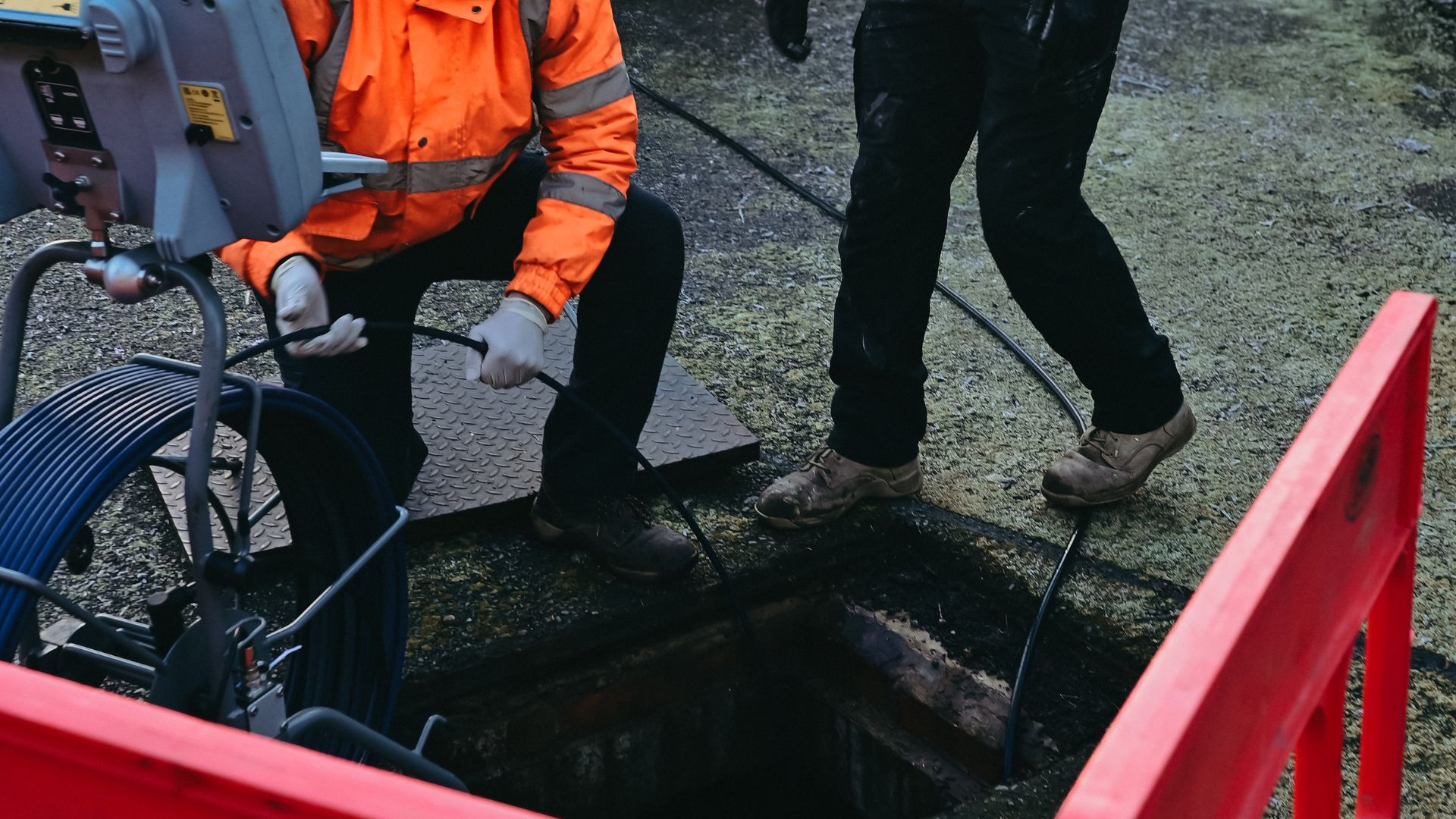
If cracks have appeared in an established property, are increasing in size or are accompanied by other signs of movement, it is worth seeking expert advice sooner rather than later. A professional subsidence investigation can help identify the cause of the movement and determine the most appropriate next steps.
What should you do if you notice cracks in your home?
If you notice cracking, the most important thing is not to panic. Many cracks are caused by normal movement, changes in temperature or minor settlement. However, you should consider getting advice if:
- Cracks are new and appear to be worsening
- You notice movement around doors or windows
- Cracks appear on an older part of your property
- Your home has nearby trees or drainage issues
- You are concerned about possible subsidence
Monitoring cracks over time can provide useful information, but a professional assessment is the best way to understand what is happening beneath your property.
If you’ve noticed signs of movement, cracking or changes around your home, getting the right advice early can help you understand what’s happening and prevent unnecessary worry. Contact us to arrange an assessment.
Frequently asked questions
What is the difference between subsidence and settlement?
Settlement is the natural movement of a building as the ground adjusts after construction. Subsidence occurs when the ground beneath an existing property changes due to factors such as tree roots, water leaks or soil movement.
Are settlement cracks a cause for concern?
Most settlement cracks are minor and stabilise within the first few years after construction. However, any crack that grows, changes or causes noticeable movement should be checked.
What are the first signs of subsidence?
Early signs of subsidence can include widening cracks, diagonal cracks around windows and doors, sticking doors or windows, and visible separation between parts of a building.
Is my house subsiding if I have cracks?
Not necessarily. Cracks can be caused by many things, including settlement, temperature changes and general movement. The size, location and progression of the crack are important factors in identifying the cause.
Can subsidence be fixed?
Yes, subsidence can often be addressed once the cause has been identified. The right solution depends on what is affecting the ground, which is why a proper investigation is an important first step.