A CCTV drain survey can reveal problems that aren’t visible from the surface, from minor cracks and stubborn deposits to structural damage that needs more significant repairs. But when you receive your report, the terminology used to describe these issues can sometimes feel a little overwhelming. Understanding what the camera has found is an important part of deciding what needs to happen next. Some defects can be resolved with straightforward cleaning or maintenance, while others may require targeted repairs to prevent further damage.
Whether you’re a homeowner investigating recurring drainage problems, buying a property or managing a commercial building, knowing what to look for in a CCTV drain survey report can help you make informed decisions about your drainage system.
What does a CCTV drain survey look for?
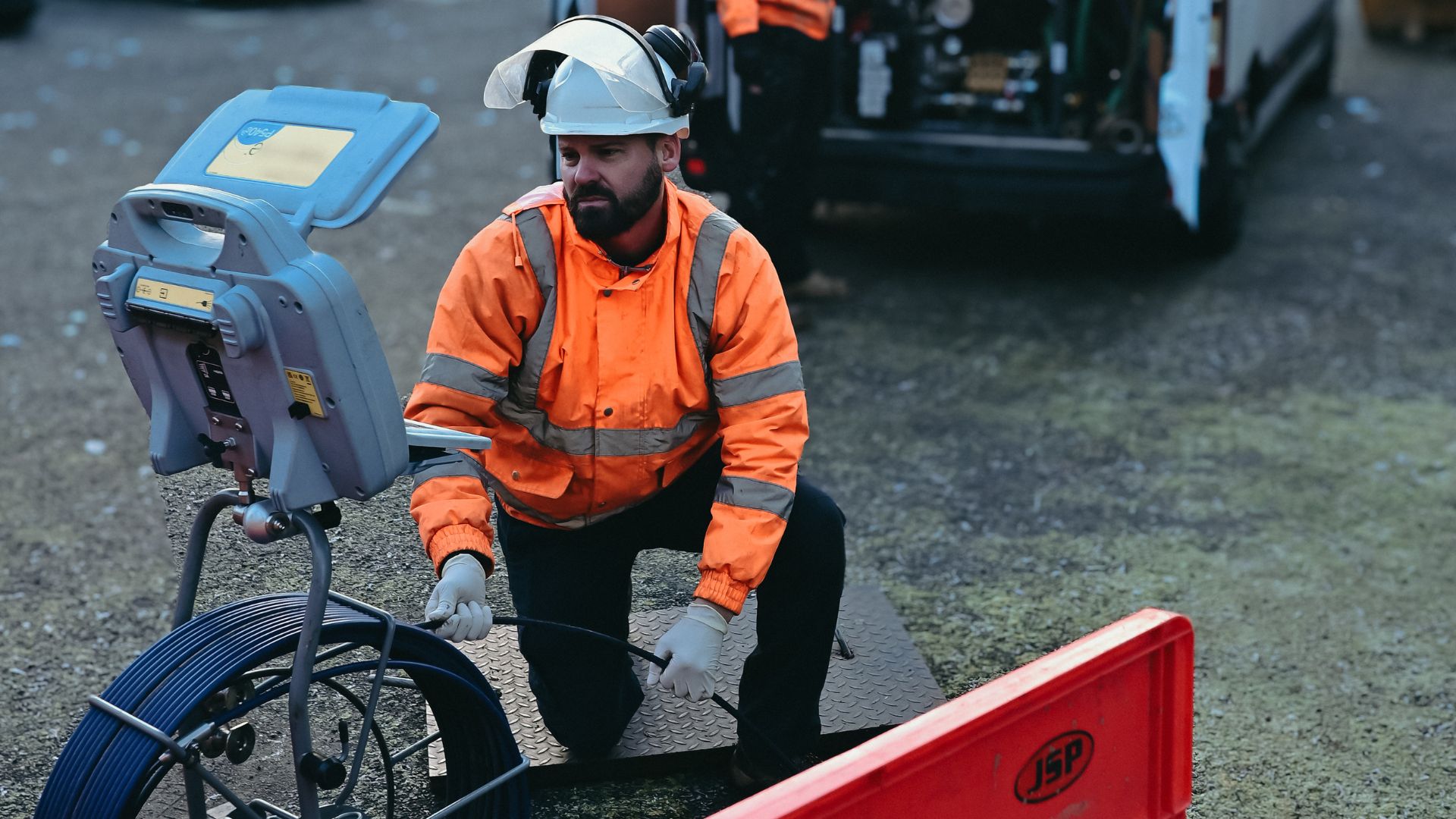
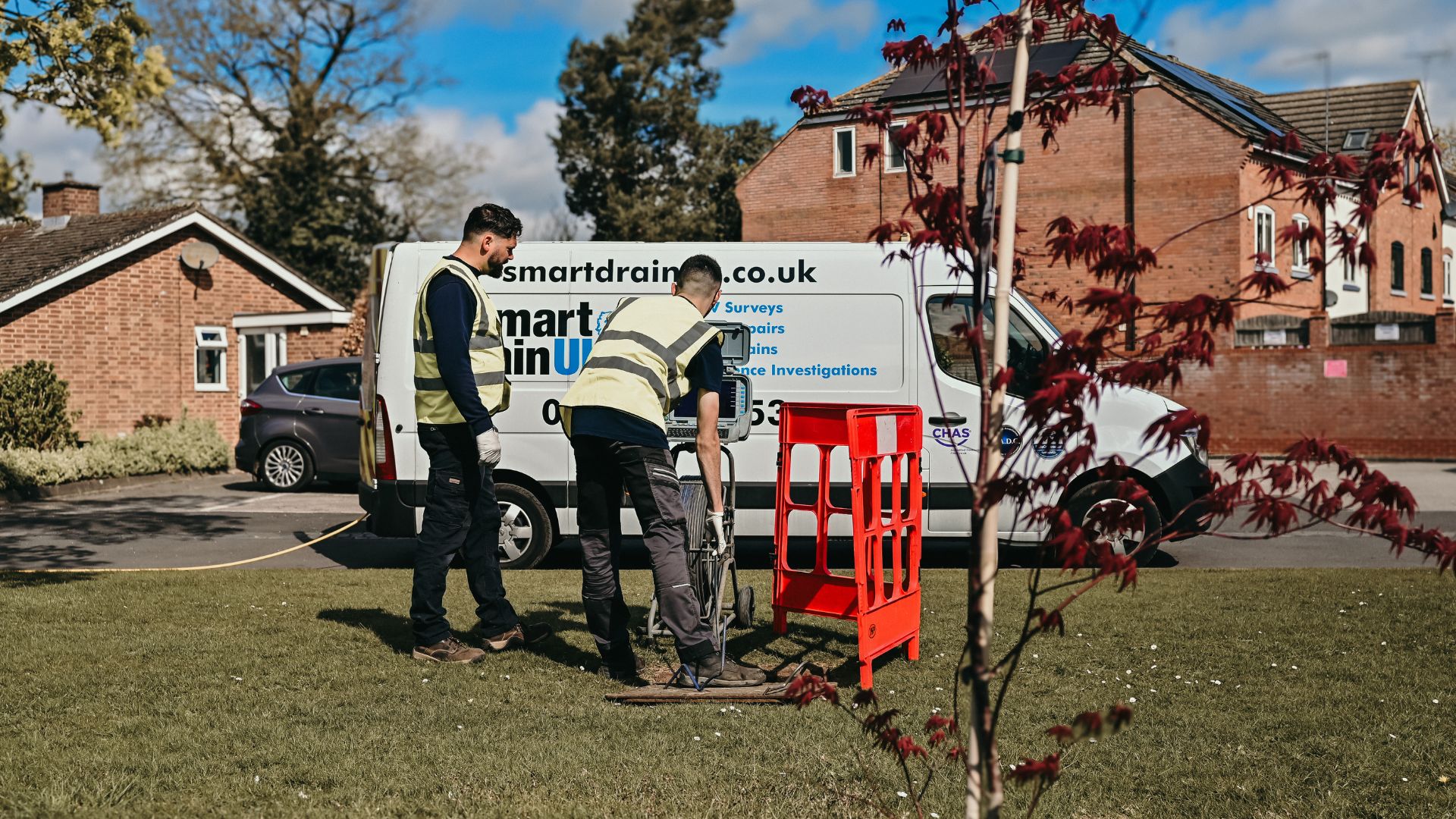
A CCTV drain inspection involves feeding a specialist camera into the drainage system to examine the internal condition of the pipes. This allows a drainage engineer to identify issues that might otherwise go unnoticed until they cause a blockage, leak or more serious structural problem. During the inspection, the camera checks the condition and integrity of the pipework, looking at whether water can flow freely, whether the pipes remain structurally sound and whether anything is entering or accumulating inside them. The survey may identify cracks, displaced joints, tree root ingress, limescale deposits, grease build-up and evidence of previous installation work that hasn’t been completed correctly.
Once the inspection is complete, you should receive the footage alongside a written condition report outlining the findings and recommending any appropriate action. The results provide a clearer picture of your drainage system’s condition, helping you understand whether maintenance is sufficient or whether further investigation or repairs are needed.
Structural Defects: Cracks, Fractures and Collapsed Pipes
Structural defects are among the more significant problems a CCTV drain survey can uncover. Damage to the pipework can affect how effectively the drainage system operates and, if left unresolved, may lead to further deterioration. The severity depends on the type and extent of the damage.
Cracks and fractures
A crack is a split or fissure in the pipe wall, while a fracture generally indicates more developed damage. The pipe may still retain its shape and allow water to pass through, but its structural integrity has been compromised.
Even a relatively small crack can create opportunities for other problems to develop. Water may escape into the surrounding ground, while soil and tree roots may find their way into the pipe through the damaged area. Over time, this can worsen the original defect and increase the likelihood of blockages or further structural deterioration.
Water escaping from damaged drainage pipes can also contribute to ground movement in certain circumstances. Where the surrounding ground is vulnerable, this may increase the risk of subsidence, although the actual risk depends on the site conditions and the extent of the leak.
Broken and collapsed pipes
A break represents a more serious loss of pipe integrity. Depending on the damage, sections may have separated or parts of the pipe wall may have failed. A collapse is more severe still, occurring when the pipe loses its original shape and becomes significantly obstructed or completely impassable.
Unlike a typical blockage caused by a build-up of debris, a collapsed pipe cannot simply be cleared with drain rods or high-pressure water jetting. The damaged section will generally need to be repaired or replaced to restore the drainage system properly.
Displaced joints
Drainage pipes are connected at joints, and these connections can become displaced if the surrounding ground moves, the pipework deteriorates or the installation is affected by other factors.
When two sections move out of alignment, a step or gap can form inside the pipe. This creates a point where waste, debris and other materials can collect, increasing the likelihood of recurring blockages. Gaps at displaced joints may also allow water to escape or tree roots to enter the drainage system. A CCTV survey helps pinpoint the affected joint, making it easier to determine whether a localised repair is possible or whether a more extensive intervention is required.
Tree root ingress
Tree roots are another common finding during CCTV drain inspections, particularly in older drainage systems or properties with mature trees nearby. Roots naturally seek moisture and nutrients, making drainage pipes attractive to them. However, they don’t necessarily break into an intact pipe. More often, they exploit existing weaknesses, such as small cracks, damaged joints or gaps in the pipework. Once roots enter the drainage system, they can continue to grow, forming a tangled mass inside the pipe.
This growth catches toilet paper, waste and other debris, gradually restricting the space available for water to flow. In some cases, the resulting obstruction can lead to repeated blockages, slow drainage or wastewater backing up.
Root ingress presents two problems: the roots themselves restrict the pipe, and their point of entry indicates an underlying defect. Simply removing the roots may provide temporary relief from the issue, but it doesn’t necessarily address the damaged pipe or joint that allowed them in. Unless the underlying issue is resolved, the roots may return. Depending on the condition of the pipework, the solution could involve removing the roots and repairing the affected section or using a suitable lining system to seal the defect.
Build-up inside the pipes: Limescale, concrete, fats and greases
Not every problem identified during a CCTV drain survey involves structural damage. Sometimes, the pipework itself is in reasonable condition, but deposits have accumulated inside it and are restricting the flow of wastewater. The type of deposit can provide useful clues about what’s happening within the drainage system.
Limescale deposits
In hard water areas, minerals can gradually accumulate inside pipes, forming limescale deposits. Over time, these deposits reduce the internal diameter of the pipe, leaving less room for wastewater and debris to pass through. This can contribute to slow drainage and make the system more susceptible to blockages.
Concrete deposits
Concrete inside a drainage pipe can indicate that construction or renovation work has taken place nearby. For example, material may enter the drainage system during an extension, driveway installation or other building project if the pipework isn’t adequately protected.
Once hardened, concrete can be difficult to remove and may significantly obstruct the pipe. Depending on its location and extent, specialist equipment or further investigation may be needed to determine the best course of action. This is one reason it’s worth considering the drainage system when planning building work, rather than focusing solely on the visible parts of a property.
Fats and greases
Fats and greases are particularly common causes of deposit build-up, especially in commercial kitchens and food preparation environments. They can also cause problems in domestic properties when cooking oils, fats and food residue are washed down the sink. As these substances cool, they can stick to the internal walls of the pipe. Over time, further deposits accumulate, narrowing the available space and trapping other debris. The result can be a gradual restriction that eventually develops into a blockage.
A CCTV survey can help establish whether grease accumulation is contributing to recurring drainage issues. Cleaning may restore the flow, but changes to waste disposal and kitchen practices are important for preventing the same problem from returning.
Legacy defects: Problems left behind by previous building work
Some of the most revealing CCTV drain survey results relate to previous alterations, extensions and renovations. When a property is changed, its drainage system may be altered too. New pipework might be connected to an existing system that was installed many years earlier, creating potential weaknesses where the two sections meet.
Problems where old and new pipework meet
Older and newer drainage sections may have different materials, dimensions or connection arrangements. Even where both sections appear to be in reasonable condition individually, the junction between them can be vulnerable. For example, a property may have an older clay drainage system connected to a newer section installed during an extension. A CCTV survey could reveal that the connection between the two has become displaced, allowing water to escape or debris to collect.
This illustrates why inspecting the whole drainage run matters. Looking at individual sections in isolation may not reveal the problem, particularly when the defect lies at the point where they connect. If you’re planning an extension, conversion or significant landscaping project, involving a drainage specialist can help identify potential issues with the existing system and ensure any new connections are suitable.
Uncapped or unsealed redundant pipes
Another issue that can come to light is redundant pipework that has been left in place without being properly capped or sealed. When drainage arrangements change during building work, pipes that are no longer needed should be dealt with appropriately. If an old section is left open, it may create an unwanted route through which pests could enter the drainage system or, in some circumstances, the property. These defects can be particularly easy to overlook because the pipe may no longer form part of the property’s active drainage arrangements.
A CCTV inspection can help identify redundant sections and establish whether they have been properly sealed, allowing appropriate remedial work to be considered. The wider lesson is that changes to a property can affect more than its visible structure. Checking the drainage system after significant alterations can uncover issues that might otherwise remain hidden.
Can you get a CCTV drain survey if your drain is already blocked?
Although a CCTV drain survey is an effective way to investigate drainage problems, it isn’t always the right first step. If a drain is completely blocked, the camera may be unable to travel far enough into the pipework to provide a meaningful view of its condition. In this situation, attempting a full inspection before addressing the obstruction may offer little useful information. The first priority is usually to clear the blockage where possible or establish where the obstruction is located.
Specialist equipment can help determine how far into the drain the camera or equipment can travel before encountering the blockage. A locating device can then be used to identify the position of the camera or signal from above ground, helping the engineer pinpoint the affected area. This is an investigative approach rather than a full CCTV drain survey, as the obstruction may prevent the rest of the system from being inspected.
Once the blockage has been dealt with, a CCTV inspection may be appropriate to establish whether an underlying defect contributed to the problem.
How is a CCTV drain survey report produced?
After the inspection, the footage needs to be interpreted so that the findings can be turned into practical recommendations. The process involves more than just recording what the camera sees. The engineer conducting the inspection assesses the condition of the pipework as the camera moves through the system. They can identify visible defects, note their locations and begin to establish the likely cause of any problems.
The footage can then be reviewed by technical staff, who assess the recorded findings and the engineer’s initial diagnosis before producing the formal report and recommendations. This additional review helps ensure that the final report considers the evidence captured during the inspection, rather than relying solely on observations made on site.
What should a CCTV drain survey report include?
A useful CCTV drain survey report should provide a clear record of the drainage system’s condition and explain any defects that have been identified. Depending on the scope of the inspection, you should expect to receive:
- CCTV footage: A visual record of the inspected pipework, allowing the findings to be reviewed.
- A written condition report: An explanation of the pipework’s condition and any issues identified.
- Details of defects: Information about the type and location of problems, such as cracks, displaced joints or root ingress.
- Recommendations: Guidance on whether cleaning, further investigation, repairs or other remedial work may be appropriate.
The report should help you understand not just what’s wrong, but what the findings mean for your drainage system. If you’re unsure about a recommendation, ask the drainage specialist to explain the defect, its likely implications and why the proposed solution is suitable. It’s also worth keeping the report and footage for future reference. They can be useful when arranging repairs, reviewing the condition of the system later or providing information during a property sale.
What should you do after receiving your drain survey results?
Once you’ve received your report, there are a few steps you can take to make sure the findings are properly understood and acted on.
Ask for the footage as well as the written report. Having both makes it easier to review the findings, seek a second opinion if necessary and keep a record of the pipework’s condition.
Tell the engineer about previous building work. If your property has been extended, converted or had a new driveway installed, this information may help direct attention towards vulnerable connections or affected drainage sections.
Find out where tree roots are entering the pipe. If root ingress has been identified, ask what underlying defect has allowed the roots into the system and whether it needs repairing.
Address the cause, not just the symptoms. Repeated blockages may indicate a structural defect or persistent build-up. Clearing the drain can provide temporary relief, but the underlying problem may need a different solution.
Understand the recommendation before agreeing to repairs. Ask what the defect means, how urgently it needs attention and whether there are alternative ways to resolve it.
Arrange a CCTV Drain Survey with Smart Drain
A CCTV drain survey can reveal a great deal about the condition of your drainage system, from minor deposits and displaced joints to structural defects that require more extensive repairs. At Smart Drain, we can help you investigate drainage concerns, understand the condition of your pipework and identify the next steps where problems are found.
Contact Smart Drain to discuss your drainage concerns and find out how a CCTV drain survey can help.