If you’ve spotted a new crack in your home, you’re likely to immediately panic and wonder how long it’s been there. Subsidence can be difficult to pin down because the problem often starts underground, where you can’t see it. The ground might be changing for months or even years before there’s any obvious sign inside the house. Then, quite suddenly, a crack appears.
So, how quickly does subsidence develop? Well the answer depends on several factors, including the cause, the type of soil beneath your property and how severe the ground movement is.
How quickly can subsidence develop?
Subsidence isn’t always the slow process people imagine it to be. Some cases develop gradually, with small changes happening over a long period. Others can become noticeable within a matter of months. In more extreme situations, a significant change in the ground can happen in a matter of days or even hours.
It sounds dramatic, but there’s a good reason for it. If something suddenly changes the ground beneath a property, the building above has to respond to that movement. That’s when cracks can appear seemingly out of nowhere.
What happened during the 2022 heatwave?
The UK’s 2022 heatwave gave us a pretty extreme example of just how quickly ground conditions can change. In some areas, temperatures reached 41°C, and in areas with clay soil, the heat caused the ground to dry out and contract. In one case, homeowners reported hearing a loud bang before discovering a large crack had appeared in their front room. That isn’t how subsidence usually happens, but it shows what clay soil can do when conditions become extreme.
Clay naturally expands when it gets wet and shrinks when it dries. Usually, this movement happens gradually and doesn’t cause a problem. But prolonged hot, dry weather can take things much further, particularly around properties that are already vulnerable to ground movement.
Does subsidence start before you see it?
The more common subsidence timeline is much less dramatic. Take a leaking drain for example. It might be leaking underground for months without anyone realising. Water escaping from the pipe can gradually affect the surrounding soil, washing away material or creating voids beneath the property. From inside the house, everything might look perfectly normal. Then the ground moves enough for the building to respond, and suddenly there’s a crack in the wall.
The same can happen with a leaking water main. A pressurised water pipe can release a huge amount of water into the surrounding ground, and if the leak goes unnoticed, the ground conditions can change surprisingly quickly. In other words, the crack might be new, but the problem behind it might not be!
Does soil type impact subsidence?
Where your property is built can have a big impact on how quickly subsidence develops.
Clay
Clay soils are particularly affected by changes in moisture. They expand when wet and shrink when dry, which means some movement throughout the year is perfectly normal. This is particularly common around older properties. The problem comes when the ground moves more than it normally would. Hot weather, drought, tree roots or changes to drainage can all contribute to this. Clay-related subsidence can take a long time to develop, but a period of extreme weather can speed things up considerably.
Clay and sand
Some areas have a mixture of clay and sand, and these soils can behave differently. If a drain is leaking, water can wash through the sandy material and carry soil away with it. Over time, this can leave gaps or weakened areas beneath the ground. That can lead to movement much sooner than you might expect.
Sandy or loose ground
Loose or sandy soils can be particularly vulnerable to water escaping underground. Water can move through them relatively easily, taking soil with it and potentially creating voids. If the leak is significant, the ground can change quickly. This is one reason it’s important to establish what’s actually happening underground rather than simply assuming a crack is caused by normal settlement.
What causes subsidence to speed up?
The cause of the problem makes a big difference. Some common causes include:
- Tree roots and clay shrinkage are generally linked to longer-term changes in moisture levels. You might see more movement during a particularly hot or dry summer, for example.
- Leaking drains can take months to cause noticeable damage, although a large leak in the wrong type of ground can cause problems much faster.
- Water main leaks can be particularly serious because the water is under pressure. A significant leak can put a huge amount of water into the ground continuously. Some leaks can continue for years before they’re discovered.
What are the signs of subsidence?
A crack in the wall doesn’t automatically mean you have subsidence. Buildings move for all sorts of reasons, and plenty of cracking is cosmetic rather than structural. That said, it’s worth paying attention if you notice:
- New cracks that weren’t there before
- Cracks that are getting wider or longer
- Cracks around doors and windows
- Doors or windows suddenly sticking
- Floors becoming uneven
- Cracking alongside other changes to the property or surrounding ground
The speed at which a crack appears is useful information too. If something has changed very quickly, particularly following a period of extreme weather or a known water leak, it deserves a closer look.
What should you do if you suspect subsidence?
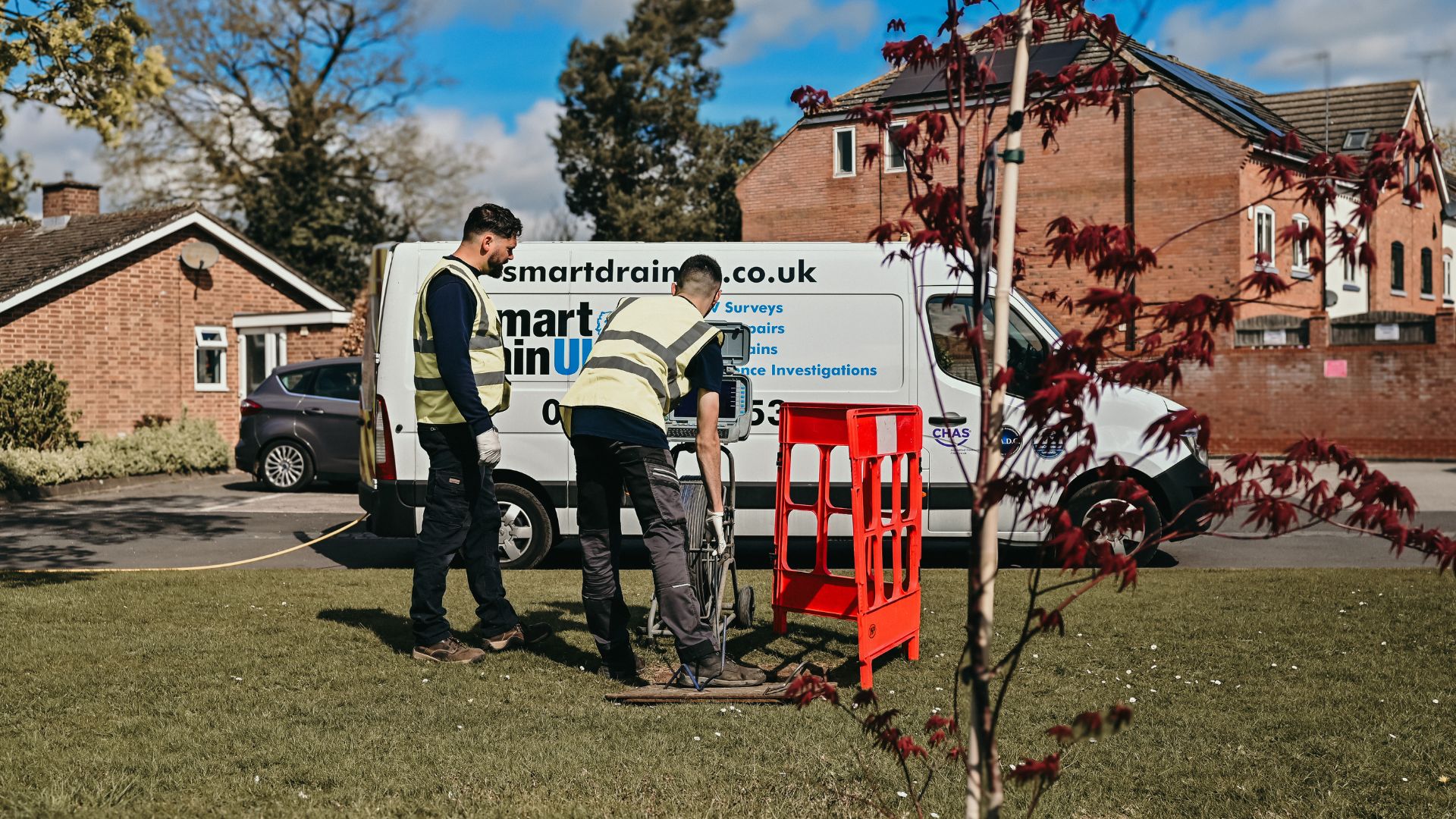
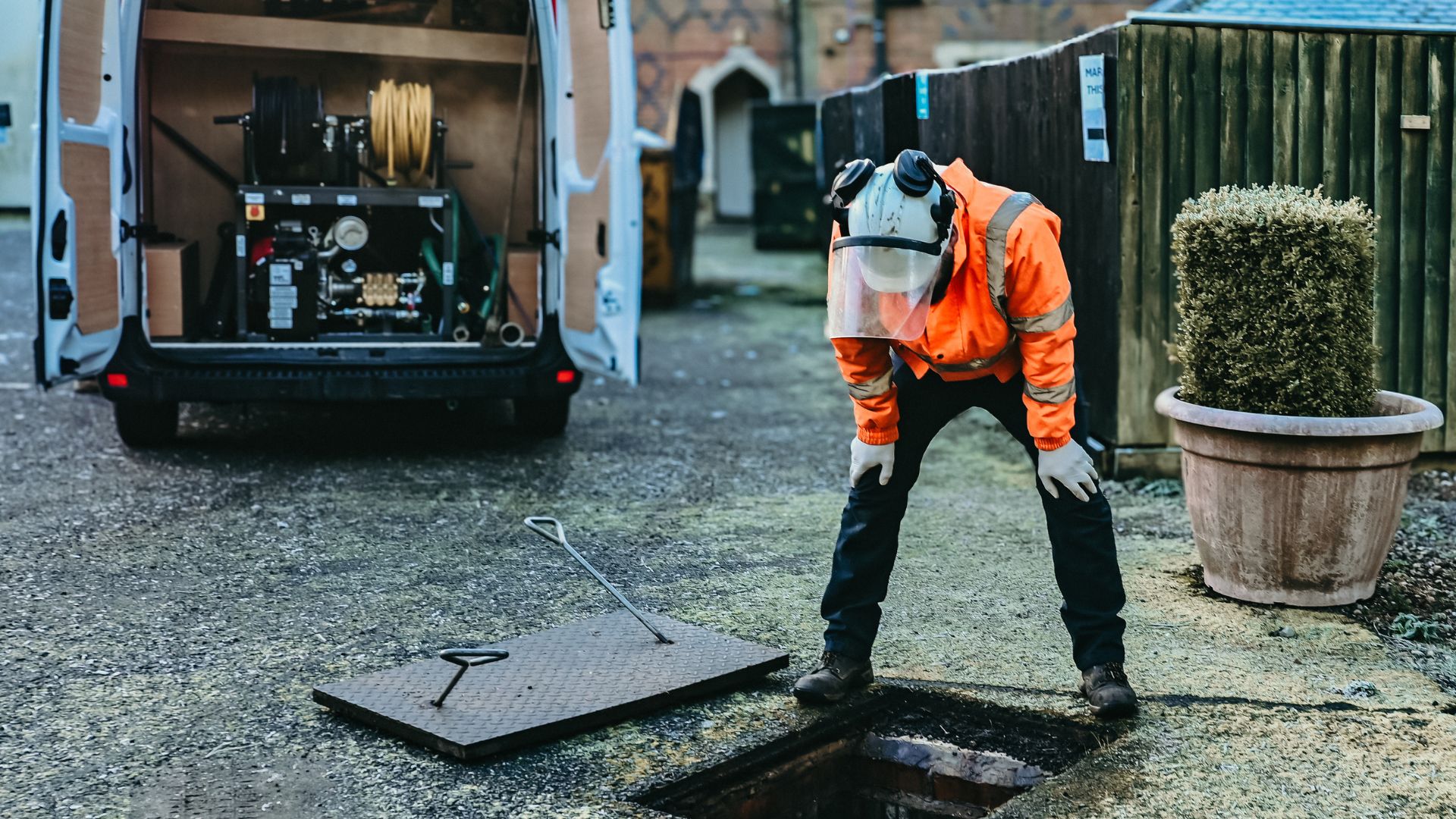
If you think your property could be affected by subsidence, don’t simply wait for the crack to get bigger. The first step is finding out what’s causing the ground to move. A CCTV drain survey can check for damaged or leaking drainage around the property. If there’s a suspected water main leak, further testing can help establish whether this is contributing to the problem.
It’s also worth taking photographs of any cracks and keeping a note of when you first noticed them. If possible, measure them and keep updating your records. This can help show how quickly the problem is progressing and gives a surveyor useful information when investigating the cause.
Final thoughts
So, how long does subsidence take to develop? It could be a problem that’s been developing for many years. Or it could be something that has changed significantly in just a few weeks. That’s what makes it so difficult to give a straightforward subsidence timeline.
If you’ve noticed new or worsening cracks, particularly after extreme weather or a drainage or water main leak, it’s worth getting the cause checked rather than waiting to see what happens. The sooner you find the source of the problem, the sooner you can deal with it, and, importantly, stop an active cause from continuing to affect the ground beneath your home.
If you’re concerned about subsidence at your property, get in touch with SmartDrain. Our team can investigate the potential cause, including drainage issues, and help establish what’s happening beneath the surface.