Many homeowners assume subsidence is caused by dramatic ground movement or natural shifts in the earth. In reality, one of the most common and overlooked causes sits much closer to home: underground drainage systems. When drains begin to leak, crack, or fail, they can quietly undermine the very ground your property stands on.
Understanding how drainage issues contribute to subsidence is very important in order to properly protecting your property. With the right knowledge and early investigation, serious structural damage can often be avoided altogether.
What is subsidence and why can drainage issues cause it?
Subsidence refers to the downward movement of a building’s foundations. This happens when the ground beneath a structure loses its stability or volume, causing the building to sink unevenly.
While factors like tree roots and soil type are often blamed, defective drainage systems are another major contributor. When underground pipes leak, water escapes into the surrounding soil. Over time, this weakens the ground, washing away fine particles and reducing its ability to support weight. The result is gradual movement that is often subtle at first but potentially severe if left unchecked.
How leaking drains cause soil erosion
Even a small, slow leak can have a significant impact over time. As water seeps out of damaged pipes, it begins to displace surrounding soil, particularly in areas with sandy or loose ground conditions. This process creates small voids beneath the surface. As these voids expand, the soil loses its compactness, and the foundations above start to shift. What begins as minor movement can eventually lead to visible cracks and structural instability.
In some cases, the issue can be as simple as a poorly connected gully or waste pipe. Water may not be draining correctly and instead spills into the ground near the property. While it might seem harmless, years of slow saturation can erode the soil enough to cause noticeable subsidence.
Common causes of this type of erosion include:
- Cracked or ageing clay pipes
- Displaced or misaligned joints
- Poor drainage layouts close to load-bearing walls
What types of drain defects can lead to subsidence?
Some of the most common defects include:
Cracks and fractures
Older materials like clay pipes are especially vulnerable to cracking. These cracks allow water to escape continuously into the surrounding soil.
Collapsed sections
When a section of pipe collapses, water flow is disrupted. This can cause pooling and force water to find alternative paths, often into the ground.
Leaking gully connections
Gullies located around the property perimeter are a frequent weak point. If not properly sealed, they can leak directly into the soil next to foundations.
Unsealed or poorly installed joints
Even newer drainage systems can cause problems if they’ve been poorly installed. Loose joints allow water to escape under pressure, especially during heavy use. In some cases, pipes may appear intact during a visual inspection but still leak under testing conditions. This makes proper investigation essential.
Warning signs of subsidence linked to drainage
Subsidence rarely happens overnight. Instead, it develops gradually, often showing subtle warning signs before becoming a serious issue.
Keep an eye out for:
- Cracks around windows and door frames, especially diagonal or widening cracks
- Doors and windows that begin to stick or won’t close properly
- Gaps forming between skirting boards and floors
- Uneven or sloping floors
- Sinking patios or external surfaces
- Recurring drainage problems, such as blockages or unusual noises
If you notice a crack that continues to grow or multiple signs appearing together, it’s important to investigate sooner rather than later.
How to investigate suspected drainage-linked subsidence
When subsidence is suspected, identifying the cause is the first priority. Drainage issues are often investigated early because they are both common and fixable.
Step 1: CCTV Drain Survey
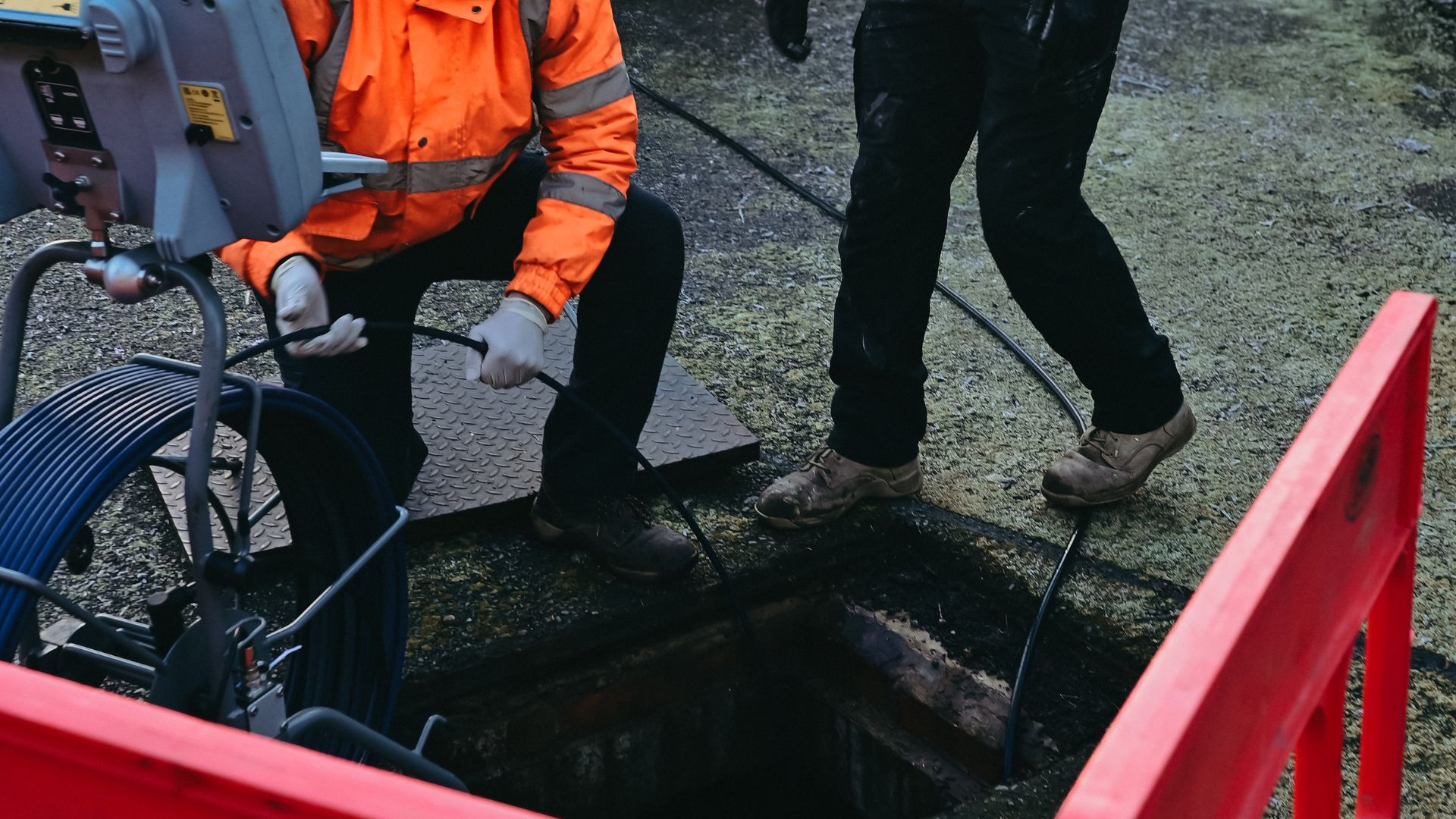
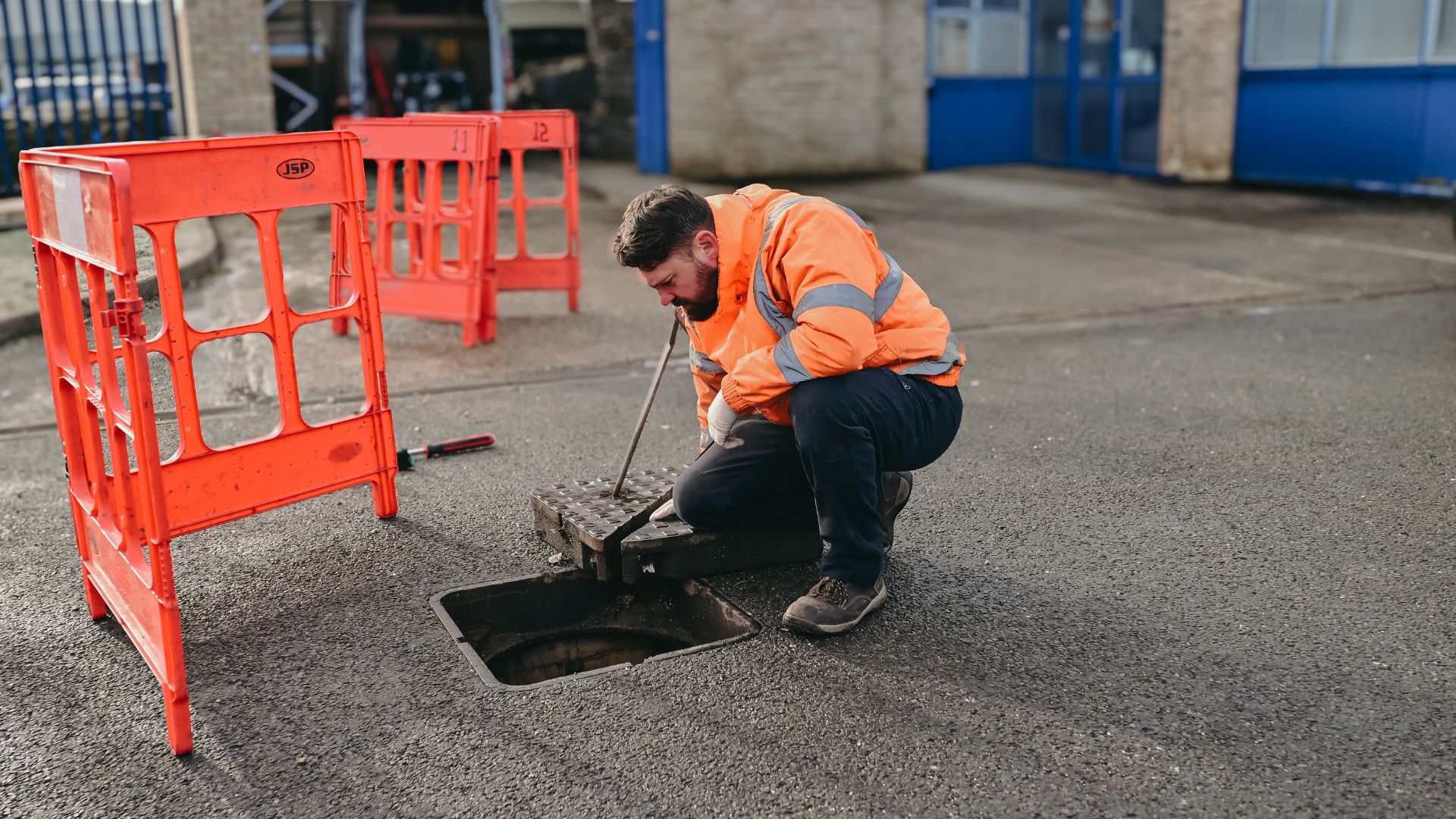
A CCTV survey involves sending a camera through the drainage system to inspect its condition. This allows specialists to identify cracks, collapses, misalignments, or blockages. It’s often the quickest way to determine whether drainage is contributing to the problem.
Step 2: Water pressure testing
If the CCTV survey doesn’t reveal obvious defects, a pressure test may be carried out. This involves sealing the pipe and filling it with water. A drop in water level indicates a leak, even if it isn’t visible on camera.
Step 3: Ground assessment and repairs
Once a leak is confirmed, repairs can range from minimally invasive solutions like drain relining to more extensive work such as excavation and pipe replacement. In severe cases where ground stability has been compromised, additional measures like ground stabilisation or underpinning may be required.
How insurance handles subsidence caused by drains
Subsidence is typically covered under most buildings insurance policies, but proving the cause is essential. Insurers require clear evidence that the damage is linked to a specific issue, such as leaking drains.
This is where a professional drainage report is extremely helpful. A detailed, standards-compliant report can support a claim by outlining the condition of the drainage system and identifying defects. Early investigation not only strengthens an insurance claim but can also prevent the situation from escalating into a more complex and costly structural issue.
Why drain surveys are essential for all homes, no matter their age
Regular drain surveys provide peace of mind and can identify hidden issues before they develop into serious problems.
Older homes
Properties built before the 1990s often rely on clay or pitch fibre drainage systems. These materials degrade over time, making them more prone to cracking and leaking.
New builds
Modern properties aren’t immune either. Poor installation practices, shallow pipe gradients, or rushed construction can result in drainage systems that fail prematurely.
Practical steps to protect your property
If you’re concerned about subsidence or want to reduce your risk, there are several proactive steps you can take:
- Arrange a CCTV drain survey if you notice cracks or structural changes
- Don’t rely solely on visual checks as hidden leaks are common
- Obtain a formal drainage report if making an insurance claim
- Schedule regular inspections for older properties
- Pay attention to recurring drainage issues, as they may indicate deeper problems
Early action is always more cost-effective than major structural repairs. Addressing a leaking drain quickly can prevent long-term damage and protect the integrity of your property.
Final thoughts
Subsidence can feel like a daunting issue, but when caused by drainage problems, it is often both identifiable and fixable. By understanding the warning signs and investing in proper investigation, you can take control of the situation before it escalates, saving you time, money, and unnecessary stress.
Contact our friendly team or book a CCTV drain survey today.