Subsidence is one of those property problems that most homeowners hope they’ll never have to deal with, and understandably so. It can lead to serious structural damage and expensive repairs if it isn’t caught early. The tricky part is that the warning signs are often subtle at first, and many people mistake them for normal “settling” in a home.
In reality, subsidence is when the ground beneath your property begins to sink or shift, causing the foundations above to move. One of the most overlooked causes is issues with underground drainage systems. In fact, leaking pipes can slowly wash away supporting soil for years before visible damage appears.
What is subsidence and why does it start underground
Subsidence begins when the ground beneath a property can no longer adequately support its foundations. This can happen for several reasons, including soil shrinkage, nearby trees drawing moisture from the ground, or underground water movement.
However, drainage issues are a particularly hidden cause. When pipes crack, displace, or degrade, water can escape slowly into the surrounding soil. Over time, this softens or removes fine particles in the ground, creating voids that eventually lead to settlement. This process often happens gradually and out of sight, which is why it can go unnoticed for long periods.
Early signs of subsidence inside the home
Inside the property, subsidence tends to reveal itself through subtle but progressive changes:
- Hairline or diagonal cracks appearing in plaster, especially around doors and windows
- Doors and windows beginning to stick or not close as smoothly as before
- Slight unevenness or sloping in floors
- Cracks that appear to widen or lengthen over time
The most important factor is change. Cracks that evolve rather than remain static are a stronger indicator of movement in the structure. Even small internal shifts should be monitored carefully over time with photos or measurements.
Outdoor subsidence signs
External signs can sometimes be easier to overlook, especially when they develop gradually:
- Diagonal cracking in brickwork or rendered surfaces
- Gaps forming where extensions, garages, or conservatories meet the main building
- Patios, driveways, or paths sinking or becoming uneven
- Subtle distortion in rooflines or guttering alignment
- Ground movement or soft spots near drainage entry points or manholes
- Soil erosion around external pipe outlets or gullies
These changes often indicate that movement is occurring beneath the surface rather than just within the building itself.
Recurring drainage issues can be a clue
Ongoing drainage problems should never be ignored, particularly if they keep returning after being cleared. Frequent blockages, overflowing gullies, slow drainage, or persistent damp patches can all suggest a deeper issue within the underground pipework. In some cases, a cracked or displaced pipe may be leaking continuously without obvious surface signs.
Additional warning signs include gurgling sounds from drains, unpleasant odours, or pooling water that reappears after rain. When these issues occur alongside structural cracks, the likelihood of subsidence related to drainage increases significantly.
How drain leaks cause foundation problems
The connection between drainage leaks and subsidence is often underestimated. When water escapes underground, it can slowly wash fine soil particles away from beneath foundations.
Over time, this creates small voids or weakened areas in the ground. As these voids expand, the soil loses its ability to support structural loads properly. Eventually, the weight of the building causes the weakened ground to compress or collapse slightly, resulting in visible movement in the property above. This process is especially common in properties with older clay pipe systems or deteriorating pitch fibre drains.
What to do if you spot potential subsidence signs
Early action is essential if subsidence is suspected. The sooner the cause is identified, the more options there are to prevent further movement.
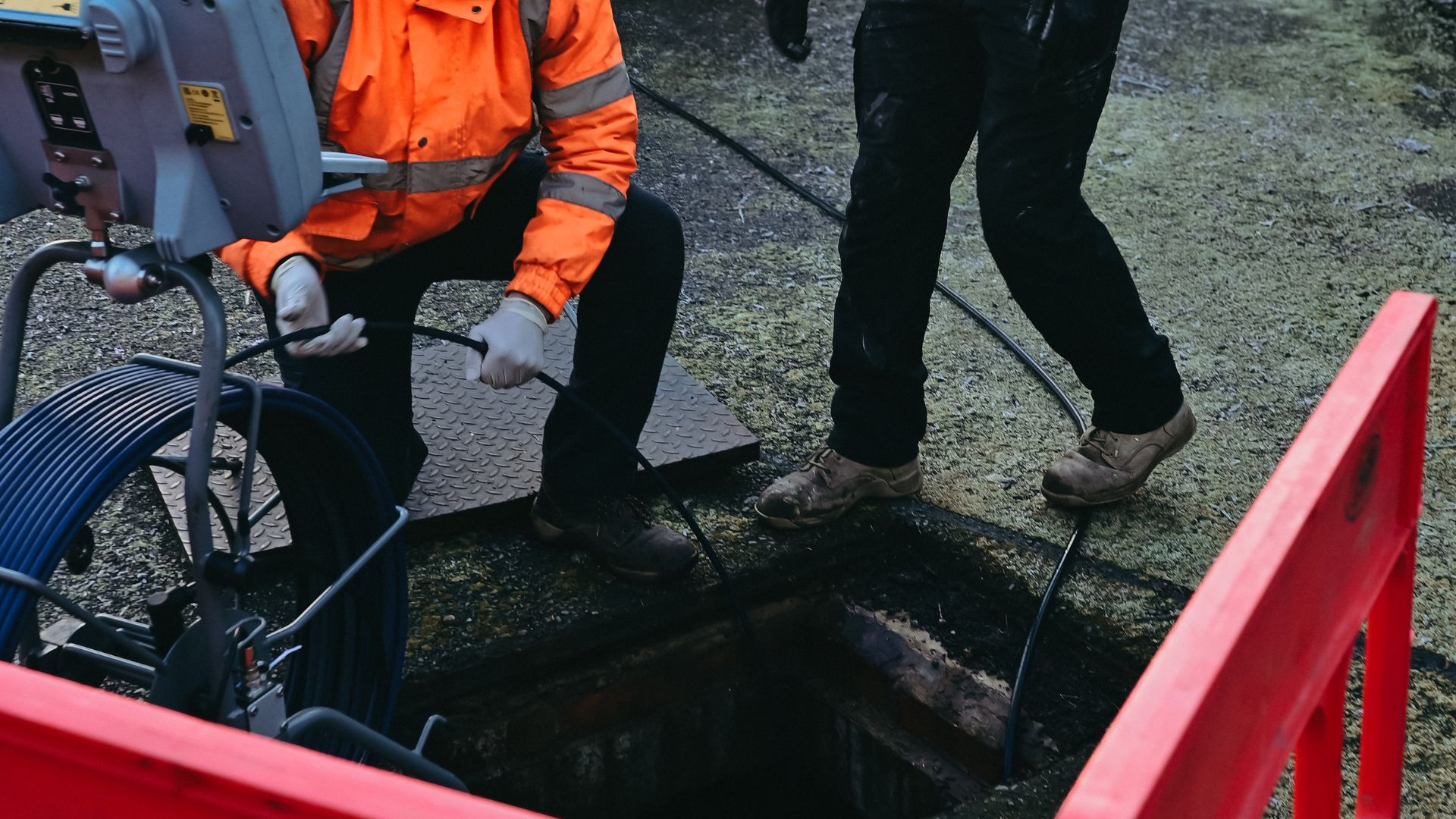
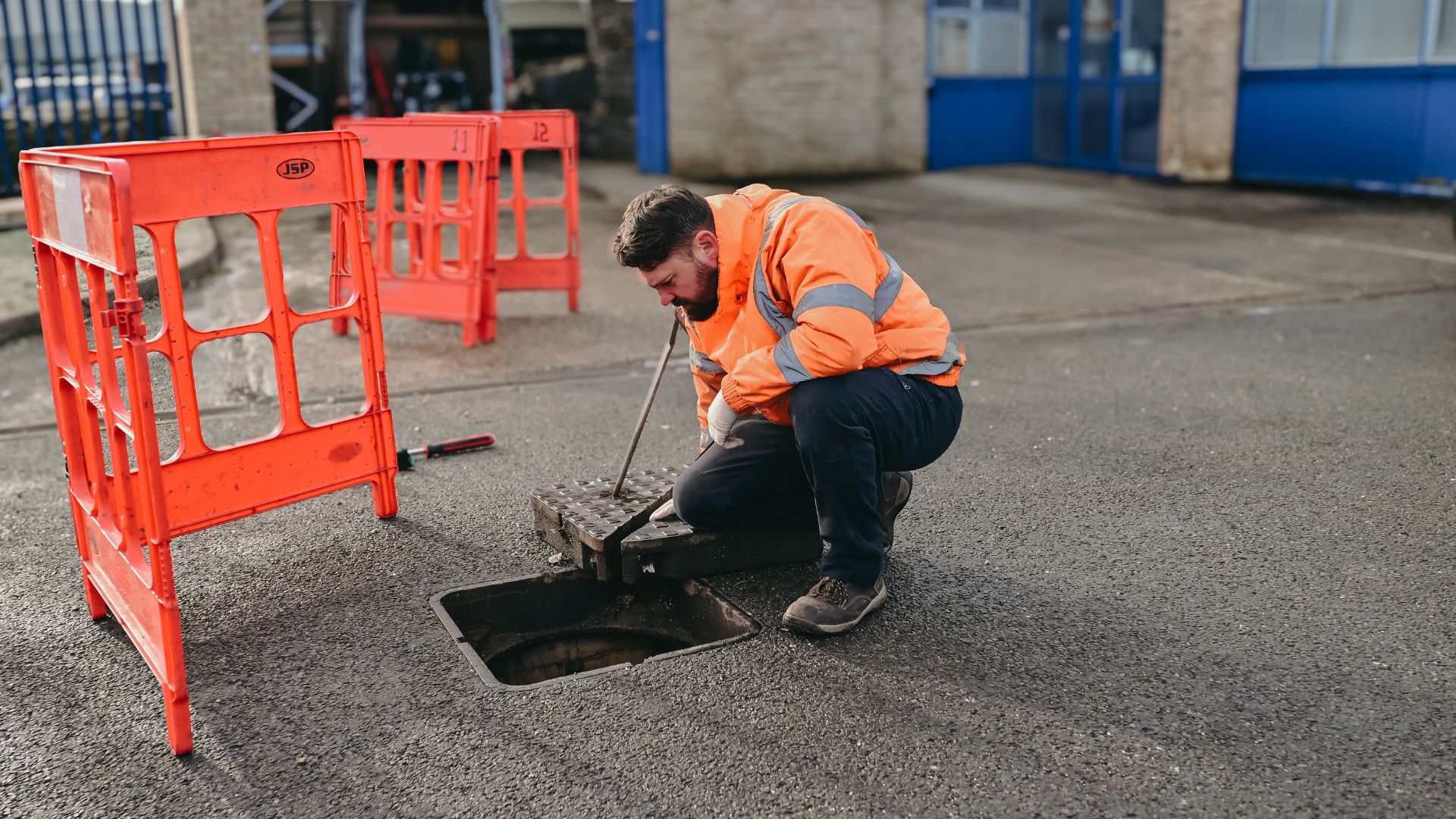
A CCTV drain survey is usually the most effective first step, as it allows inspection of underground pipework without excavation. This can identify cracks, collapses, misaligned joints, or active leaks. In addition, a water pressure test can help confirm whether there are hidden leaks that are not immediately visible.
Homeowners should also:
- Photograph and track cracks over time
- Note any changes to doors, windows, or flooring
- Keep a record of recurring drainage issues or unusual smells
Accurate documentation can be extremely useful if professional assessment or insurance involvement is required later.
Can subsidence be covered by insurance?
In many cases, subsidence may be covered under buildings insurance, but clear evidence is required to support any claim. Insurers typically need confirmation of the underlying cause, especially when drainage issues are suspected. A detailed, compliant drainage report can play a key role in demonstrating whether leaking or damaged pipes are responsible for the movement.
Specialist drainage assessments are often used alongside structural reports to build a complete picture for insurers. The important factor is acting quickly. Delays can make it harder to establish the cause and may complicate the claims process.
Blog takeaways
- Monitor all cracks carefully and document any changes with photos over time
- Do not ignore recurring drainage problems, especially if they return after clearance
- Consider a CCTV drain survey if the property is older, has nearby trees, or shows signs of movement
- Investigate both structural and drainage causes when subsidence is suspected
- Seek specialist drainage assessment early, particularly where insurance involvement may be needed
Final thoughts
Subsidence rarely begins as a dramatic event. It usually develops slowly, often starting underground where it cannot be seen. That is why early awareness is so important.
Small cracks, sticking doors, uneven floors, or ongoing drainage issues should always be taken seriously, especially when they appear together. Identifying the root cause early can significantly reduce repair costs and help prevent long-term structural damage.
If you’re concerned about drain related subsidence, talk to our friendly team today. We’re happy to investigate and talk you through your options.