Until something goes wrong, most people don’t tend to spend much of their time thinking about their drainage systems. However, a blocked drain, foul smells, or worse, a flooded basement can quickly turn into a costly and stressful situation. The reality is that preventative drain care is far more affordable than reactive repairs.
Professional preventative services, like routine jetting and CCTV drain inspections, are designed to keep your system flowing and catch issues early. If you’re considering your options, it’s worth exploring professional drainage services as part of a long-term maintenance plan rather than waiting for an emergency.
Why maintenance is cheaper than emergency drain work
Drainage emergencies can be expensive, unpredictable, and very stressful. A straightforward blockage might cost a couple of hundred pounds to resolve, but more serious situations, like flooding or structural damage, can easily exceed £500 to £1,000 or more.
Routine maintenance, by comparison, is relatively inexpensive, costing approximately*:
- CCTV drain survey: £190–£295
- Planned high-pressure jetting: often included in maintenance visits
- Emergency flooded basement call-out: £500+ (excluding clean-up and repairs)
Aside from cost, emergencies can lead to property damage, business interruption, and even potential health risks. Regular maintenance significantly reduces the likelihood of these scenarios by keeping drains clear and identifying issues early.
*Estimates updated May 2026
Domestic drain maintenance
The good news is that for most homeowners, drain maintenance doesn’t require much effort. Domestic systems are generally low maintenance, but everyday habits play a big role in preventing blockages.
Here are some simple but effective things to keep in mind:
- Avoid pouring fats, oils, or grease down the kitchen sink
- Use drain strainers to catch food waste and hair
- Do not flush wipes, sanitary products, or other non-degradable items
- Be mindful of what enters your drainage system
If your home is older or located near trees, it’s sensible to arrange a CCTV drain survey every 1–2 years. This allows professionals to check for hidden problems like root intrusion, cracks, or pipe deterioration before they develop into costly repairs.
Commercial drain maintenance
Commercial properties face a much higher risk of drainage issues due to heavier usage and more complex systems. Restaurants, schools, leisure facilities, and residential blocks all place greater strain on their drains.
Grease build-up, food waste, and high-water usage increase the likelihood of blockages. In severe cases, drainage failures can lead to flooding, forcing businesses to close temporarily and resulting in lost revenue. To minimise risk, commercial sites should implement a structured maintenance plan:
- Schedule annual or bi-annual high-pressure jetting
- Carry out routine CCTV inspections to monitor pipe condition
- Clean and maintain interceptors in stormwater systems
- Ensure compliance with environmental and safety regulations
What does preventive drain maintenance involve?
Preventative drain maintenance is usually simple and quick to carry out, making it an easy way to keep everything running smoothly. The process involves cleaning and checking the system so any potential issues can be spotted early.
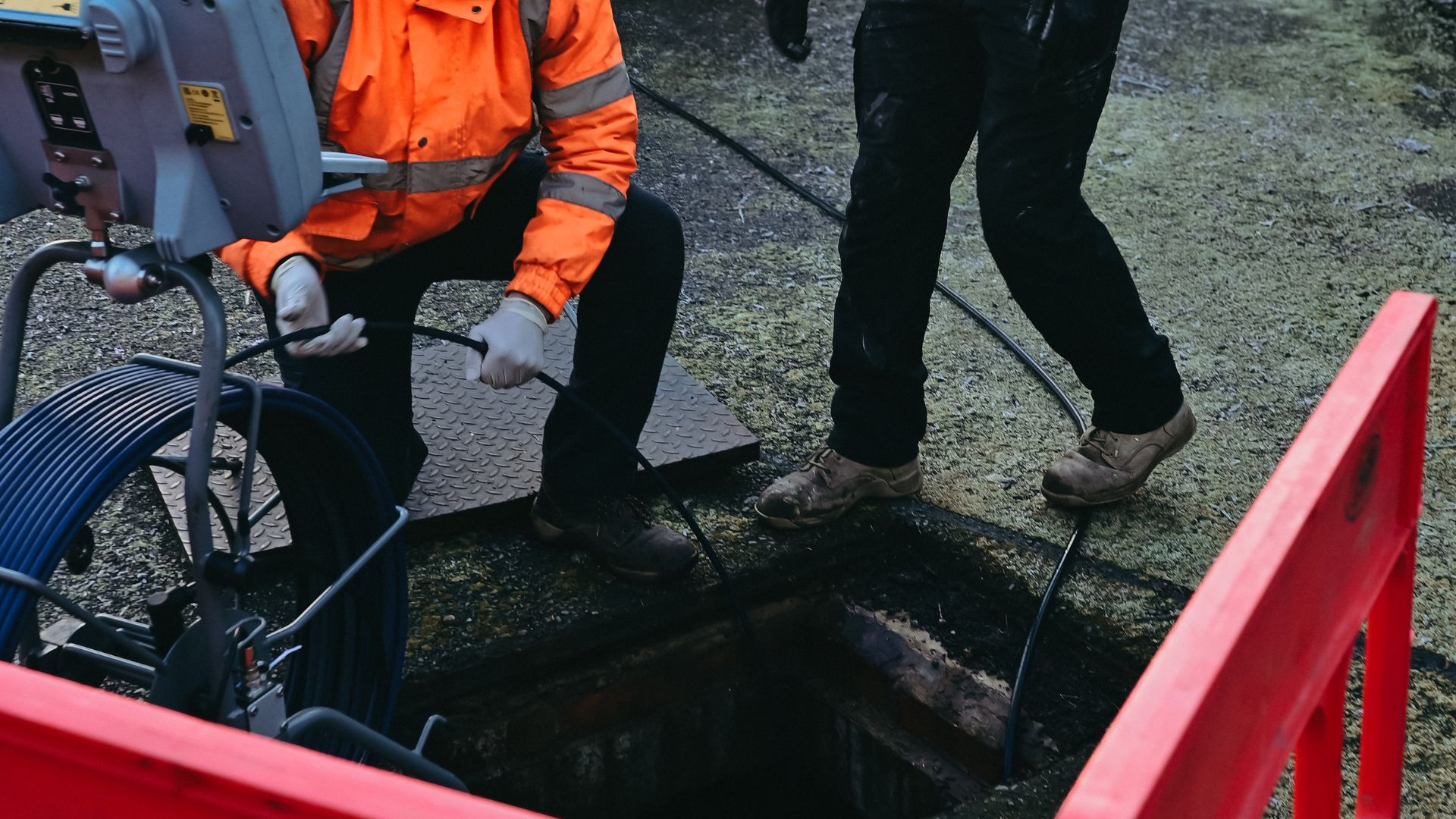
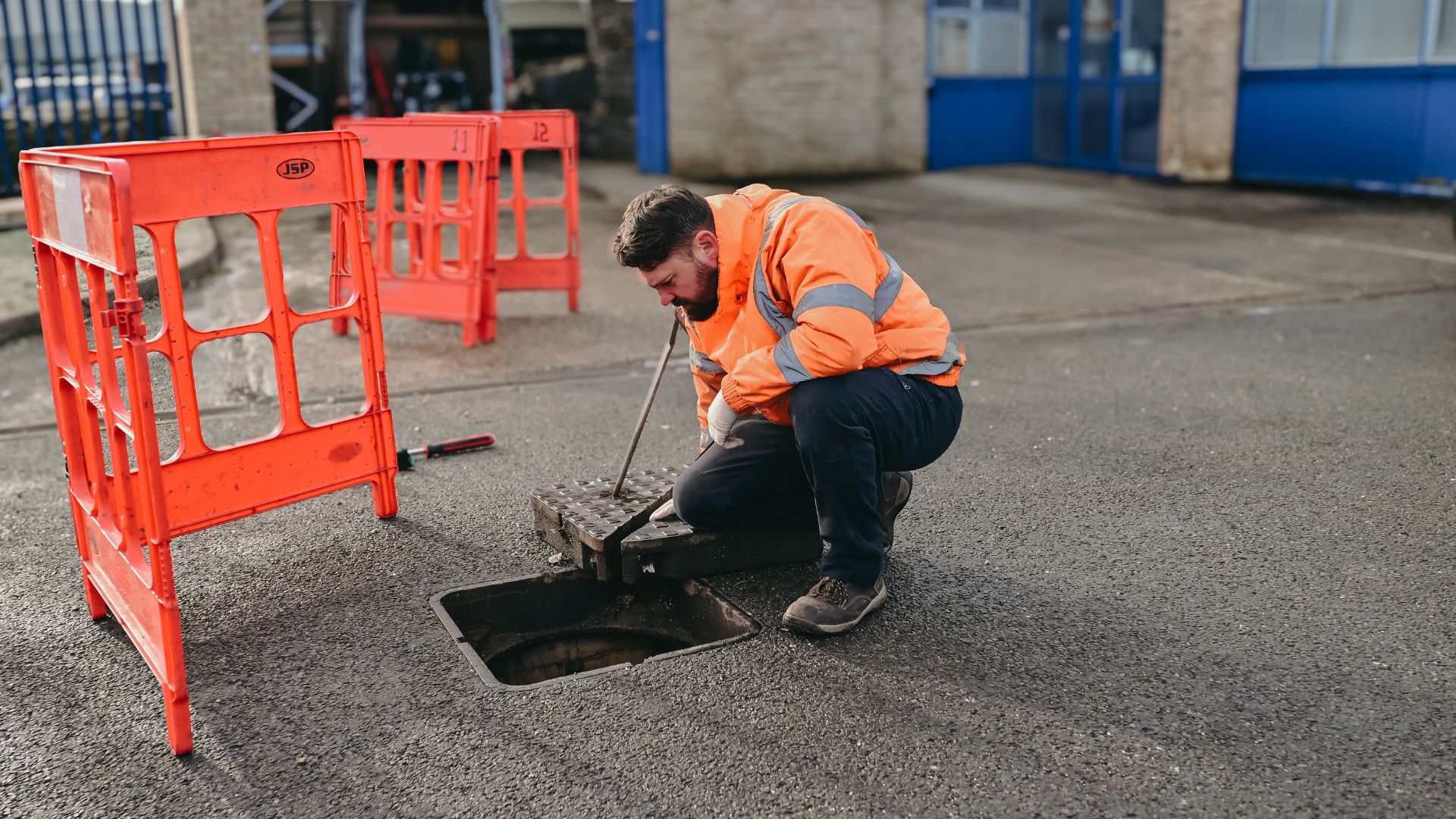
This typically means accessing manholes and using high-pressure jetting to clear the pipework, along with CCTV inspections to identify any early signs of damage. During this time, debris, grease, and general build-up are removed before they have a chance to cause blockages.
Not only does this approach help prevent unexpected problems, but it can also extend the lifespan of your drainage system. This is especially beneficial in older buildings, where materials such as clay or pitch fibre can be more prone to wear over time.
Who should always maintain their drains?
While all properties benefit from maintenance, some are more prone to drainage problems and should prioritise regular servicing. High-risk sites include:
- Restaurants and takeaways (due to fats, oils, and grease build-up)
- Schools and universities (often surrounded by trees, increasing root intrusion risk)
- Older homes built before 1990 (more likely to have aging pipe materials)
- Commercial sites with interceptors (require routine cleaning to prevent blockages)
- Multi-unit residential buildings (higher usage places greater strain on systems)
Understanding your building or property’s risk level can help determine how frequently maintenance should be scheduled.
When to book a CCTV drain survey
A CCTV drain survey is one of the most effective tools for diagnosing drainage issues and assessing system condition. It’s particularly useful in situations such as:
- Recurring or unexplained blockages
- Buying a property (pre-purchase inspections)
- Planning an extension (build-over agreements)
These surveys can reveal problems like tree root ingress, collapsed pipes, or poor installation. They also provide valuable documentation for insurance claims or regulatory compliance when needed.
Final thoughts
Drainage systems are easy to overlook but neglecting them can lead to significant problems and unexpected costs. Preventative maintenance offers a simple, affordable way to keep everything running smoothly.
By taking a proactive approach and scheduling regular inspections or cleaning, you can avoid emergencies, protect your property, and extend the life of your drainage system. Investing in professional drainage services today can save you considerable time, stress, and money in the future.
If you want to stay ahead of costly drainage issues, now is the time to act. Whether you need a routine CCTV survey, high-pressure jetting, or a tailored maintenance plan, our friendly team can help you protect your property and avoid unexpected repair bills.