Blocked drains are one of the most common and disruptive issues affecting both homes and commercial properties. While they often appear suddenly, most blockages develop over time due to underlying issues within the drainage system. Understanding what causes them is important to preventing repeat problems and avoiding unnecessary repair costs.
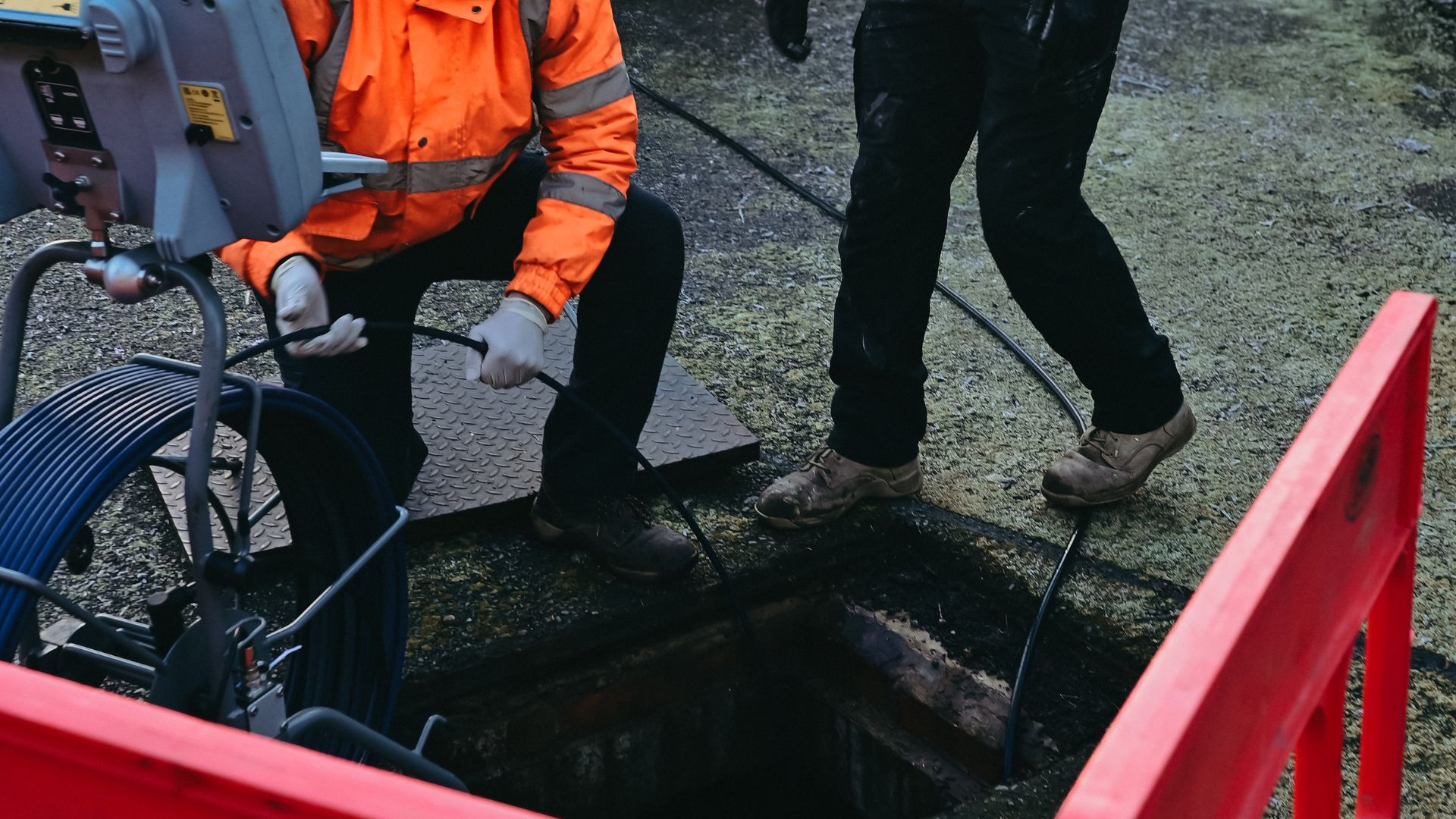
Professional preventative work such as CCTV drain inspections and high-pressure jetting play a big role in keeping systems clear. If you’re considering proactive care, it’s worth looking at professional drainage services as part of a long-term drain maintenance plan rather than waiting for a failure to occur.
Why do drains get blocked?
It’s a common misconception that drains simply block without any real reason. In reality, most blockages are symptoms of an underlying issue such as poor installation, structural damage, or long-term buildup.
Repeat blockages are especially important to pay attention to, as they often indicate a deeper problem within the system rather than a temporary obstruction. Identifying the root cause early can prevent repeated callouts and escalating repair costs.
Fat, oil, and grease buildup in drains
One of the most frequent causes of blocked drains in both domestic and commercial settings is the buildup of fats, oils, and grease. Although these substances may enter the system as liquids, they quickly cool and solidify inside pipework. Over time, this coating narrows the internal diameter of the pipe, restricting flow and trapping other debris such as food waste and paper.
This issue is especially common in commercial kitchens, where high volumes of cooking waste significantly increase the risk of blockages.
Prevention tips:
- Never pour fats, oils, or grease down sinks
- Install strainers in kitchen drains
- Use grease management systems in commercial kitchens
- Arrange periodic jetting for high-use properties
Tree root intrusion
Tree roots are a major cause of underground drainage issues. They naturally seek out moisture and can enter pipe systems through joints, cracks, or weakened sections.
Once inside, roots expand and trap waste materials, gradually restricting or fully blocking flow. Even small plants or shrubs can cause damage if they are close enough to underground pipework.
Prevention tips:
- Replace old clay pipework with modern sealed systems where possible
- Use pipe relining to seal existing joints and cracks
- Arrange regular CCTV inspections for properties near trees or landscaped gardens
- Monitor for early signs such as slow drainage or recurring blockages
New-build drainage design issues
Many people think that only older houses have drainage issues and that new builds are immune thanks to modern materials. However, this isn’t always the case.
One common issue is insufficient pipe gradient, meaning waste does not flow efficiently through the system. Instead, it begins to settle and accumulate, leading to repeated blockages. These issues often appear within the first few years of ownership.
Prevention tips:
- Monitor early signs such as slow-draining sinks or toilets
- Arrange a CCTV survey if issues begin shortly after moving in
- Report suspected design faults early to developers or warranty providers
- Avoid ignoring recurring blockages in new properties
Defective materials
Properties built between the 1960s and 1980s may still contain older drainage materials such as pitch fibre or early clay pipes. These materials degrade over time and are prone to deformation, cracking, and collapse.
Pitch fibre pipes, in particular, can soften and distort, reducing internal flow capacity. Some older clay systems can also fracture, creating sharp edges that trap debris and worsen blockages.
Prevention tips:
- Identify the age and material of your drainage system
- Arrange CCTV inspections for older properties
- Consider pipe relining or replacement where deterioration is found
- Address issues early before structural failure occurs
Surface water and storm drain blockages
Commercial properties and external drainage systems are often affected by surface water contamination. Leaves, silt, debris, and road runoff can build up over time, especially in areas with high vehicle traffic or limited maintenance.
If left untreated, these systems can overflow during heavy rainfall, causing flooding and property damage.
Prevention tips:
- Install interceptors or silt traps in commercial systems
- Carry out regular cleaning and jetting of storm drains
- Schedule maintenance more frequently during autumn and winter
- Keep external drainage areas clear of debris
Warning signs of a developing blockage
Drainage issues rarely occur suddenly; more often, they develop gradually and are preceded by clear early warning signs that something isn’t quite right. You might notice water draining more slowly than usual from sinks, baths, or toilets, or hear gurgling sounds coming from plugholes or pipework. In some cases, unpleasant or lingering odours may become apparent, or you may find that blockages keep recurring in the same area.
When these symptoms appear, they typically indicate an underlying problem building within the system. Addressing them early is important, as leaving them unchecked can eventually lead to full blockages or even overflow situations.
What to do if you suspect a drain blockage
If you suspect a blockage, it’s important not to rely solely on temporary fixes. Plungers, chemical cleaners, or basic DIY methods may provide short-term relief but rarely address the underlying cause.
A professional CCTV drain survey is often the most effective way to identify what is happening underground. This allows the issue to be diagnosed accurately, whether it’s grease buildup, root intrusion, structural damage, or design flaws.
Early investigation can also help determine whether the issue is urgent, requires repair, or may be covered by insurance. Attempting repeated DIY fixes without identifying the root cause can often make the problem worse over time.
Final thoughts
Understanding the causes of blocked drains is the first step toward preventing them. Whether the issue is grease buildup, tree roots, ageing pipework, or poor installation, most problems develop gradually and can be identified early with the right approach.
Regular inspections and maintenance not only reduce the risk of disruption but also extend the lifespan of your drainage system. If you are experiencing recurring issues or want to prevent future problems, arranging professional drainage services is a practical next step. Early diagnosis and maintenance can save significant time, stress, and cost in the long run.
Get in touch today to book an inspection or speak to our friendly team about the best way to keep your system running smoothly.