When most homeowners think about structural damage, drains are unlikely to be the first thing that comes to mind. Cracks in walls, uneven floors, or sinking patios are usually blamed on ageing buildings, ground movement, or foundation issues. However, damaged drainage systems can be a hidden cause of structural problems. A blocked drain may create pressure and water build-up around your property, while a leaking drain can change the ground beneath your foundations over time.
So, can blocked drains cause structural damage? The answer is yes. While not every drainage issue will lead to serious problems, leaks, fractures, and damaged pipework can contribute to ground movement, subsidence, and foundation damage if left untreated.
Can leaking drains cause structural damage to buildings?
The biggest risk with drainage problems is that they often happen out of sight. A drain can appear to be working normally while a small crack, damaged joint, or fracture allows water to escape underground.
Instead of flowing safely away from your property, that water can begin soaking into the surrounding soil. Over time, the ground can become softer, wetter, and less stable, creating conditions where the foundations above may start to move. This is why drainage problems can be difficult to identify. By the time cracks appear in walls or a patio starts to sink, the underlying issue may have been developing for months or even years.
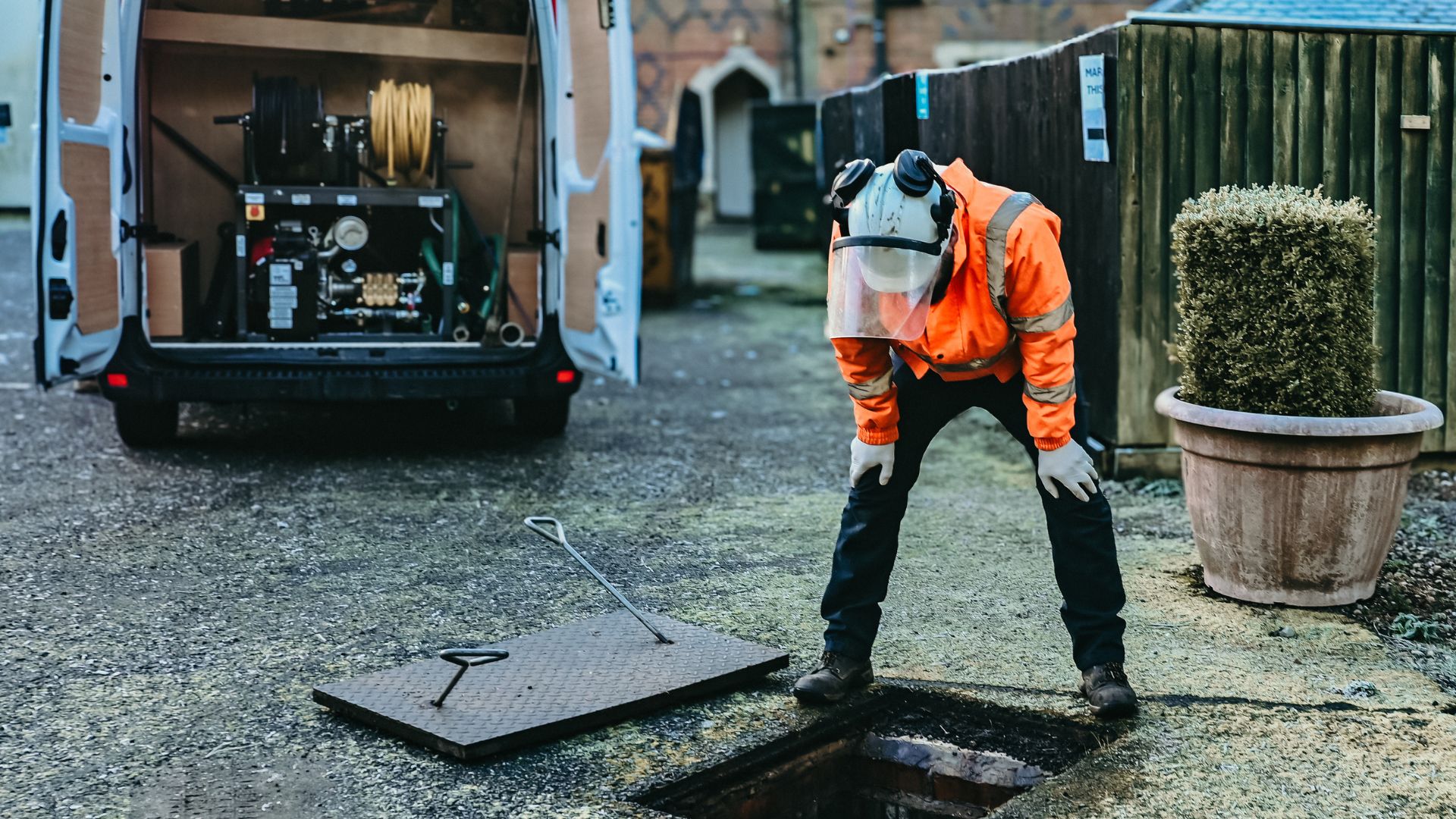
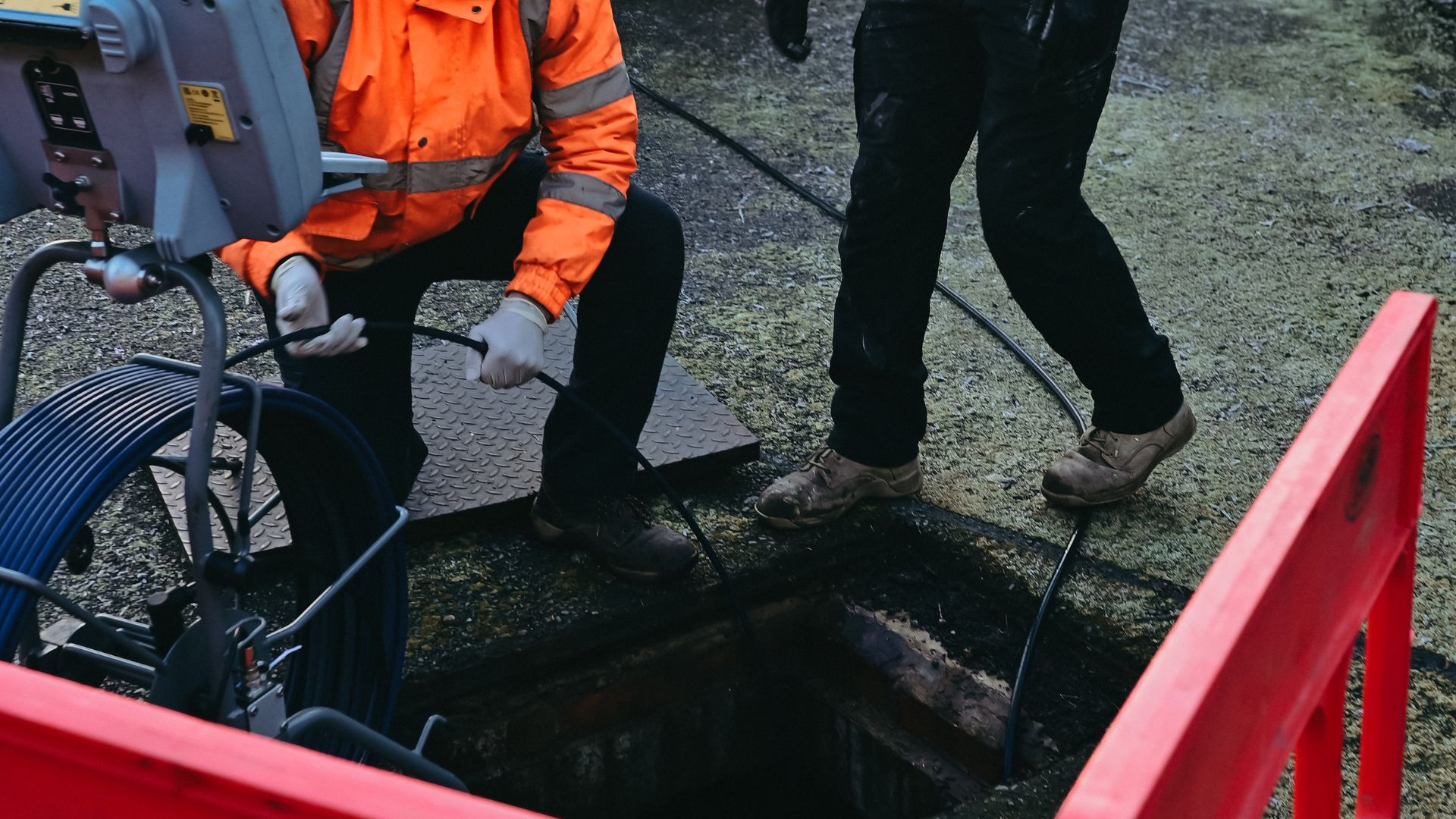
A CCTV drain survey can help identify hidden defects that a basic visual inspection or drain clearing will not reveal. Internal inspections can highlight cracks, displaced joints, root intrusion, and areas where water may be escaping.
Can leaking drains cause subsidence?
Leaking drains and subsidence are closely linked because water can significantly affect the ground supporting a property. The impact depends largely on the type of soil beneath the building. For example, in clay-heavy areas, excess water can cause the clay to expand. When conditions become drier, the clay shrinks and contracts, creating movement beneath the foundations. This repeated expansion and shrinkage can contribute to cracking and structural movement over time.
In areas with mixed soils, leaking water can also wash away finer materials such as sand. As these particles move through gaps and cracks underground, voids can form beneath the surface. The remaining ground can then compact, causing the property above to shift. This type of drain-related subsidence is not always obvious straight away. Early warning signs may include new cracks, sticking doors and windows, uneven surfaces, or areas of ground that feel softer than surrounding areas.
Can a leaking pipe cause a sinkhole?
A leaking pipe sinkhole is an extreme example of drainage-related ground problems, but it can happen in certain circumstances. When a large amount of water escapes from damaged drainage pipes over a long period, it can gradually wash away soil and create empty spaces underground. If the surface above loses support, it may begin to sink.
Most homeowners will not experience a sudden sinkhole opening beneath their property. More commonly, the first signs are smaller changes, such as:
- A patio or driveway section beginning to sink
- A dip appearing in the garden
- Soft or waterlogged areas of ground
- Unexplained changes in ground levels
These signs should not be ignored, as what appears to be minor settlement could be an indication that water is escaping beneath the surface.
How tree roots can cause drainage structural damage
An unexpected culprit in causing issues with drains is trees and other common garden plants. This is because roots naturally seek out water sources, making damaged pipes an attractive target. Small cracks or weak joints in drainage systems can allow roots to enter the pipework. Over time, the roots can grow inside the pipes, creating blockages, increasing pressure, and causing further damage. Older properties are particularly vulnerable, as many still have original drainage systems that may be more susceptible to cracking or joint failure.
Root-related drain damage can create a cycle of problems: roots damage the pipe, the damaged pipe leaks water into the ground, and the changing ground conditions increase the risk of movement around the property.
Why drain problems often go unnoticed until damage appears
There’s no surprise answer here – the main reasons drainage-related structural issues are missed is because the drains are underground and out of sight! Most homeowners do not think about checking their drains unless there is an obvious problem, such as repeated blockages or unpleasant smells. If water appears to be draining away, it is easy to assume everything is working as it should.
However, a drain does not need to be completely blocked to cause damage. A small leak underground can continue unnoticed while gradually affecting the surrounding ground. The main thing is getting clued up on what warning signs to look for and investigating problems early. If you notice unexplained cracks, sinking areas, repeated blockages, or changes around your property, a CCTV drain survey can help identify whether drainage could be contributing to the issue.
How to prevent drain-related subsidence and structural damage
Although it is not practical for most homeowners to arrange regular drain inspections, there are situations where a proactive check can be worthwhile. Consider investigating your drainage system if you:
- Have recurring blockages in the same area
- Live in an older property with ageing pipework
- Have large trees or shrubs close to drainage routes
- Notice sinking patios, driveways, or garden areas
- Have unexplained structural cracks
Monitoring your water usage can also help identify potential leaks. A sudden increase in water consumption without a clear reason could indicate a hidden issue with your drainage or water supply. If structural movement has appeared, drainage should be considered alongside other possible causes. A CCTV drain survey is often an important first step in identifying whether damaged pipework could be contributing to the problem.
If you’re concerned that drainage issues could be affecting your property, don’t wait for the problem to get worse. We can help identify hidden drainage defects with professional CCTV drain surveys, giving you a clearer understanding of what’s happening beneath the surface. Contact our team today to arrange an investigation.
Frequently asked questions
Can blocked drains damage house foundations?
Yes, blocked drains can contribute to foundation damage. Water build-up around foundations can affect the surrounding soil, increasing the risk of movement and instability.
What are the signs of drainage-related subsidence?
Common signs include new cracks in walls, sinking patios or driveways, soft patches of ground, recurring blockages, and changes in the level of your garden.
How do I know if a leaking drain is causing ground movement?
A CCTV drain survey can identify hidden problems such as cracks, leaks, damaged joints, and root intrusion that may be affecting the ground beneath your property.
Can tree roots damage underground drains?
Tree and shrub roots can enter small cracks in pipes, causing blockages and further damage that may eventually lead to leaks and ground movement.
Should I get my drains checked if I have structural cracks?
Yes. While cracks can have many causes, drainage issues should be ruled out as they can contribute to subsidence and foundation movement.