Receiving a CCTV drain survey report can feel a bit overwhelming at first. You’re handed a document filled with technical codes, diagrams, photographs, and engineering language that most homeowners have never seen before. If you’re not familiar with these kinds of reports, they can be a bit overwhelming.
To help, we’ve put together this blog to help you understand your drain survey results, what they mean for your property, and what to do next.
What’s included in a CCTV Drain Survey Report?
A standard CCTV drain survey report is made up of several sections. Each one plays a different role in explaining the condition of your drainage system:
Video footage
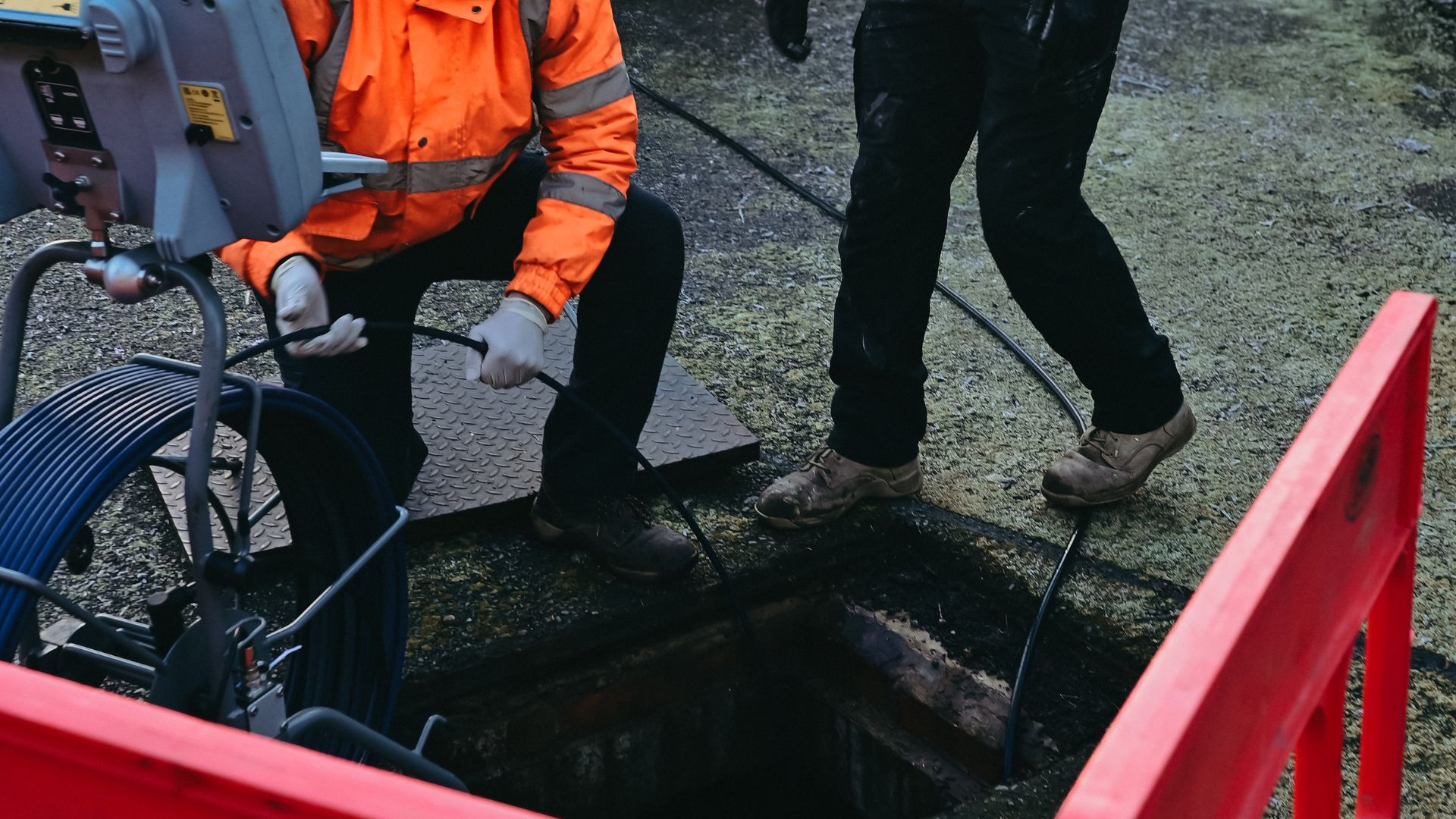
This is the raw CCTV camera footage captured inside your pipework. It shows the internal condition of the drains, including blockages, cracks, collapses, or build-up.
Defect coding
Every issue identified in the footage is assigned a standardised code. These codes are part of the industry-wide MSCC coding system (Manual of Sewer Condition Classification). They allow engineers to record defects consistently and clearly.
Site photographs
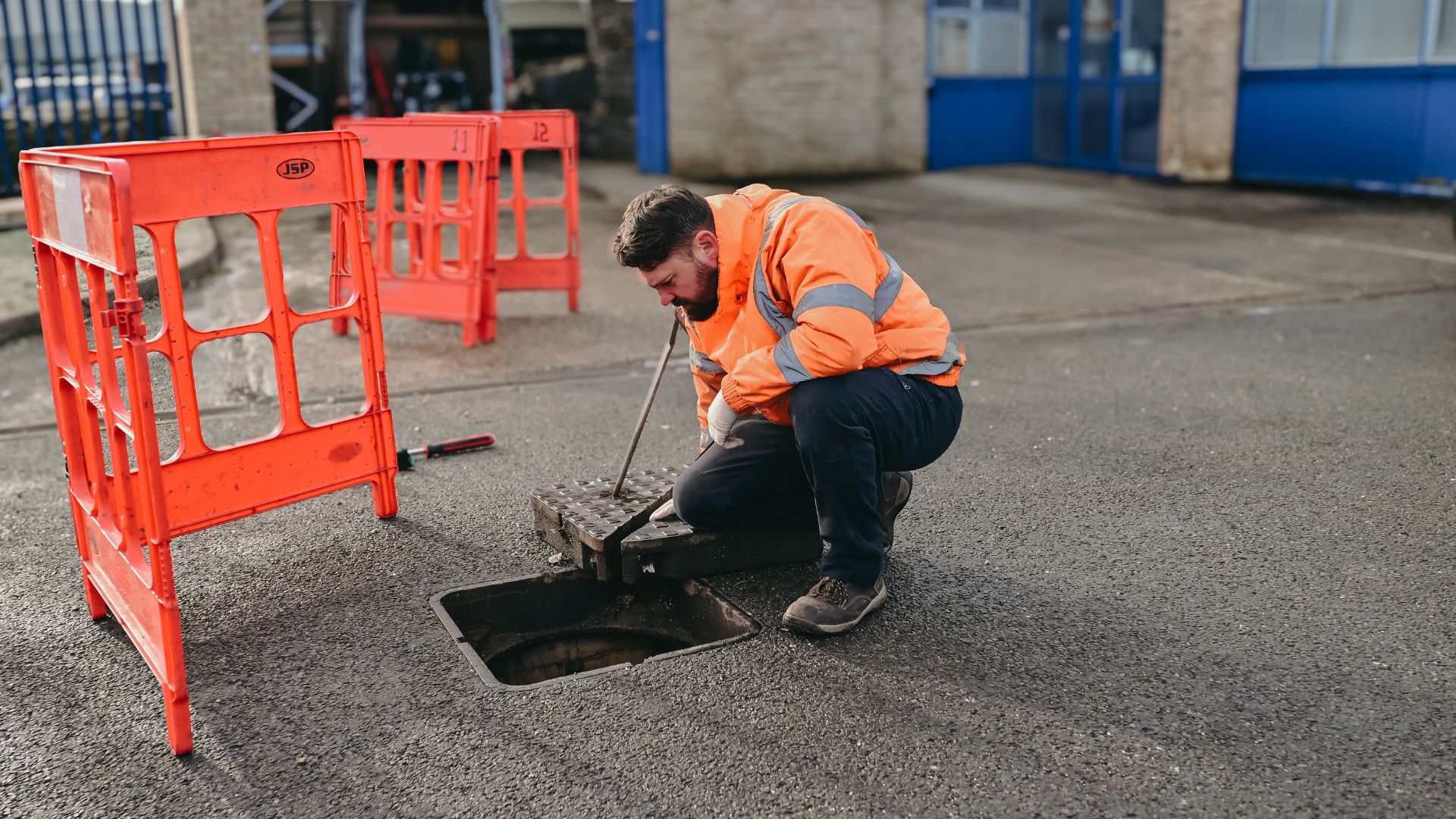
These are external images taken during the survey. They typically include access points, manholes, gullies, and any visible issues at ground level.
Site plan
A scaled diagram showing the full drainage layout of the property. This includes pipe runs, junctions, and inspection chambers.
Remedial recommendations
A breakdown of any issues found and what should be done to fix them. This section translates technical findings into practical next steps.
Quotes for repair work
Where applicable, estimated costs for carrying out recommended repairs.
Summary section
A written explanation of what was found, why it has happened, and what it means in context. This is often the most useful part for non-technical readers.
Together, these sections form a complete picture of your drainage system’s condition.
Understanding the Defect Coding System (MSCC)
One of the most confusing parts of any CCTV drain survey report is the coding. These short letter-and-number combinations describe specific issues inside the pipework. The system used is based on MSCC (Manual of Sewer Condition Classification), which is an industry standard used across both domestic and commercial drainage surveys. It ensures everyone, from engineers to insurers, uses the same language when describing defects.
Here are some common examples:
- CC (Circumferential Crack) – A crack that runs around the pipe. The “clock position” is often added to show how far the crack extends.
- OJM (Open Joint Medium) – A noticeable gap between pipe sections.
- OJL (Open Joint Large) – A more significant separation between pipe joints.
- STR (Structural defect) – Indicates structural damage to the pipe itself.
- SER (Service defect) – A defect affecting serviceability, such as flow issues or minor damage.
You don’t need to learn these codes, the important thing to remember is that structural problems (like STR) are more serious than service issues. The report will explain what the codes mean in normal language. Home surveys often use a simpler version of the full system used by utility companies, only showing what homeowners and insurers need to know.
What is the site plan and is it important?
The site plan is one of the most practical parts of your drain condition report. It shows a bird’s-eye view of your entire drainage system, mapping out how all the pipes connect beneath your property. This includes:
- Pipe runs
- Manholes
- Gullies
- Connection points
- Direction of flow
Most properties don’t already have a drainage layout plan. In many cases, the system has never been formally mapped before. During a survey, engineers sketch the layout on site, which is then turned into a clean digital drawing afterwards.
This plan is especially useful if repair work is needed. Instead of searching blindly, engineers can use the drawing to locate the exact section of pipe requiring attention. It also becomes valuable in more complex situations, such as insurance claims or structural investigations, where multiple professionals need to reference the same drainage layout.
Why the summary section is often the most important
While the technical sections are important, the summary is usually the part most people should read first. This section explains:
- What issue was found
- How it was investigated
- What caused the problem
- What the implications are
- What should happen next
On simple surveys, this may only be a short paragraph. On more complex properties, it can run several pages and provide a detailed explanation of how different drainage systems interact. For example, in older properties, drainage may include historic pipework, culverts, or combined surface water systems that behave unpredictably during heavy rainfall. In these cases, the summary connects all the findings into a clear narrative.
What happens after you receive the report?
Once you have your CCTV drain survey report, the next step is knowing how to act on it.
Start with the summary, then review the recommendations. This will give you a clear understanding of urgency and priority. Here are a few tips:
- Focus on structural defects first. These indicate physical damage that could worsen over time or lead to leaks and subsidence issues.
- Treat service defects as lower priority unless they are affecting drainage performance.
- Use the site plan to understand how your drainage system connects before approving any repairs.
- Keep the report for future reference as they are especially useful if you sell the property or experience future drainage or ground movement issues.
- If the report is complex, ask a drainage professional to walk you through the findings so you fully understand what’s happening underground.
Final thoughts
A CCTV drain survey report might look technical at first glance, but once broken down, it’s actually a straightforward diagnostic document. It tells you exactly what’s happening underground, where problems exist, and what needs to be done about them.
By focusing on the summary, understanding the basics of MSCC coding, and using the site plan as a guide, you can confidently interpret your drain survey results and make informed decisions about repairs or property purchases.
Contact us to book a CCTV drain survey. Our friendly team will be happy to talk you through the findings and advise on next steps.